Patient Information

7 Oral health symptoms you really shouldn’t ignore…

1) Toothache
Okay, this one is pretty obvious yet it’s surprising just how many people do try to ignore a toothache. Unfortunately, teeth cannot repair themselves so if you are experiencing toothache even if it then goes away you should get it checked out by a dentist immediately.

2) Sensitive Teeth
Tooth sensitivity can be caused by many things. Commonly people suffer from cold sensitivity but you can also have sensitivity from hot and sweet things. The cause of sensitivity needs to be investigated by a dental professional. Common causes of tooth sensitivity are tooth decay, fractured teeth, worn fillings, gum disease, worn tooth enamel or gum recession. Knowing the cause of your tooth sensitivity will help to either address the problem or prevent the sensitivity from worsening.

3) Bleeding or Sore Gums
Bleeding or sore gums can be a sign of gingivitis, an early and reversible stage of gum disease. Left untreated gum disease will cause inflammation of the gums and eventually lead to teeth becoming loose which is not treatable and the tooth will have to be removed. If your gums bleed regularly you should make a dental appointment.

4) Mouth Ulcers
Some people suffer from frequent mouth ulcers and if this is you should seek an appointment with your dentist or GP to check there isn’t an underlying cause. If you have a mouth ulcer that lasts two weeks or longer it’s very important to seek dental advice urgently.

5) Jaw Ache
Jaw ache is mainly caused by teeth grinding known as Bruxism. Almost 65% of people who grind their teeth is due to stress and anxiety, so treating the underlying cause is crucial. Feeling stressed or anxious tends to make us clench our teeth, which results in unnecessary tooth grinding.
Continually grinding your teeth can cause your teeth to wear down and jaw joint problems. There are treatments available to help with the symptoms of teeth grinding your dentist can help to discuss the options available to you.

6) Bad breath
Bad breath not only makes you self-conscious when speaking it could also be a sign that something isn’t right. Persistent bad breath can be one of the warning signs of gum disease or tooth decay. Other causes of bad breath could be caused by what you have eaten, not cleaning your mouth, dry mouth, smoking or other medical conditions. Your dentist can determine the cause of your bad breath and treatment.

7) Broken Teeth
Broken teeth if left untreated can start to cause incredible pain and create bigger problems if left. Teeth can break for a number of reasons from tooth decay to biting something too hard on a heavily restored or weak tooth.

One of the best ways to prevent dental problems from occurring is by brushing twice a day with a fluoride toothpaste and flossing daily. In addition to this regular dental health checks will ensure any problems are spotted early. Our Leicester dentists are focused on preventative care and when potential problems are spotted early then we can avoid more extensive dental work and help you to keep your mouth healthy and teeth for life.

Find out more about joining our Leicester dental practice…
Shocking! You need to read this before using your toothbrush again….

Did you know that your innocent looking toothbrush could be home to more than 100 million bacteria including E. coli and staphylococci (Staph) bacteria according to a UK study?

Your mouth is full of bacteria and if you have been unwell recently then viruses and bacteria can live for weeks on your toothbrush so every time you brush you could be making yourself poorly again. It could also be spreading onto your family’s toothbrushes, in turn, making them unwell.

If you keep your toothbrush next to your bathroom sink then you need to stop right now! In fact, throw it away and get a new one. Not only will your toothbrush have splashes of germs from handwashing but if anyone flushes the toilet you will be sending particles of faecal – yep poo, into the air and likely landing on your toothbrush.

We’re not suggesting you stop brushing your teeth just take some simple steps to take care of your toothbrush.

Here are our top tips for keeping your toothbrush clean

1) Replace your brush often, at least once every 3 months. Replacing your brush stops the germs from building up to undesirable levels.

2) Don’t keep your brush out in the open bathroom to avoid handwashing germs and toilet germs. Keep them either in your bathroom cupboard or airing cupboard.

3) Don’t store your family’s toothbrush together in the same cup holder. There are many individual holders now which stop the toothbrushes from coming into contact with one another. This will help minimise the chances of cross infection.

4) Make sure to give your toothbrush a good rinse after using. This will help to wash away any germy plaque and food deposits. It would also help to occasional soak your toothbrush in an antibacterial mouthwash occasionally.

5) Let your toothbrush dry out between uses. The germs in your mouth love a damp environment that’s why they do so well in your mouth. You can help your toothbrush to dry out by leaving it uncovered. Storing your toothbrush in a plastic bag or using a toothbrush cap could actually be more unhygienic then leaving it uncovered.

Regular visits to your dentist are essential to keep your mouth healthy…

Dental Phobia Certified Leicester Clinic…

Dr Niket Patel and the Smile Essential Dental team are delighted to have been awarded Dental Phobia certification for another year.

You may be wondering what it means to be a dental phobia certified dentist? It means that we have dedicated treatments and services especially to help people who have a phobia of coming to the dentist. It also means that we have had to put forward testimonials from patients that we have helped overcome their dental phobia.

Here at Smile Essential Dental Practice in Leicester, we have helped hundreds of people with varying degrees of dental anxiety. Every patient that walks through our doors is unique and so is their fear of visiting a dental clinic. That’s why our first step is always a friendly open and honest chat. We listen to your fears and any specific reasons that make you feel nervous about your dental appointment. We have heard so many different fears including – the dental chair, a bad experience in the past, the school dentist, fear of injections, feelings of helplessness, the sound of metal, the feel of cotton wool and even the fish on the TV.

We have also invested in The Wand which is a digital method of delivering anaesthetic which prevents the pain associated with traditional injections. It ensures anaesthesia is delivered in a pain-free manner.

Find out more about visiting our dental practice as a nervous patient…

Preparing your child for their first dental check-up

Many parents may think that there is no need to take their child to the dentist until they start school. However, this is not the case and dental care should start long before this. Our Leicester dentists advise parents to take their child for their first check-up by the age of twelve months.

Preparing for a check-up

A little preparation can make a huge difference to your child when going to the dentist. Try to promote going to the dentist as a fun thing to do and do not let your child detect that you are nervous or anxious about seeing the dentist. Try to be very positive when talking to your child even if you, as a parent, suffer from dental anxiety; your child will notice if you seem tense or anxious and this will affect them.

Talk your child through what is going to happen when they go to the dentist; it is also helpful to read stories about going to the dentist with your child. If your child is a little emotional and tense, sit with them and reassure them constantly. You will find that your dentist and the staff at the dental practice will make every effort to interact with your child and make their experience a positive one.

Oral health for children

It is really beneficial to introduce your child to their dentist early on and making sure you see a dentist that you feel confident in. Taking them for regular check-ups will get them used to going to the dentists and this will help to prevent them from suffering from dental anxiety when they are older, as well as reducing the risk of them developing oral health problems.

Try to encourage your child to adopt a healthy attitude towards oral health from an early age; encourage them to get involved in oral hygiene, set a good example for them to follow and keep an eye on what they eat and drink. Talk to your child about healthy eating and the effects of drinking and eating sugary foods and drinks on the teeth. We at Smile Essential Dental Practice in Leicester are fortunate enough to have oral health educators at the practice who are always happy to help.

If you are having trouble persuading your child to clean their teeth, try to make teeth cleaning fun by making up games, setting challenges and buying oral hygiene products which are specially designed for children. Many toothbrushes are decorated with bright colours and pictures of popular cartoon and film characters which are more attractive for children.

Find out more about children’s dental care…

Finally boys are being protected too…

Dentists, as well as many other medical professionals, have been campaigning for the Government to give boys aged between 12 and 13 in England the vaccine against the human papilloma virus (HPV). HPV causes around 2500 cases of cancer in males every year in the UK, including the mouth, throat, anal, and penile cancers.

We are pleased to report that the UK Government’s scientific advisors have finally listened, and have recommended expansion of Human papilloma virus (HPV) vaccination programme to cover school-age boys.

More than 30 people in Britain are diagnosed with oral cancers every day, with incidence rates increasing by 23% over the last decade. It is one of the fastest rising types of cancer and has a higher incidence among men.

This vaccine has been around for about a decade and has been routinely given to girls to reduce various types of genital cancer – predominantly cervical. Figures from Public Health England show that the rate of Human Papilloma Virus (HPV) in women aged between 16 to 21 who were vaccinated between 2010 and 2016 has fallen by 86 per cent. The same types of HPV that infect the genital areas can infect the mouth and throat.

Most unvaccinated people will be infected with some type of HPV at some time in their life. In most cases, the virus does not do any harm because their immune system clears the infection. But in some cases, the infection stays in the body for many years and then, for no apparent reason, it may start to cause damage.

What is HPV?

HPV is the name given to a very common group of viruses. There are many types of HPV, some of which are called “high risk” because they’re linked to the development of cancers. Other types can cause conditions like warts or verrucas. HPV infections do not usually cause any symptoms, and most people will not know they’re infected.

The leading cause of oropharyngeal cancer is from HPV, a very small number of oral cavity cancers also occur from HPV. The HPV family contains almost 200 strains, and it is one of the most common viruses. It is important to understand that of all these, only nine are associated with cancers. Of the nine that are high risk, only one is strongly associated with oropharyngeal cancer, HPV16.

How does the HPV vaccine work?

Currently, the national NHS HPV vaccination programme uses a vaccine called Gardasil.

Gardasil protects against 4 types of HPV: 6, 11, 16 and 18. Between them, types 16 and 18 are the cause of most cervical cancers in the UK (more than 70%).

HPV types 6 and 11 cause nearly all cases of genital warts (90%), so using Gardasil helps protect against some form of cancers and genital warts.

It’s important to understand that the HPV vaccination does not protect against other sexually transmitted infections.

Further reading can be found: 

Government News

The Guardian -Teenage boys to be vaccinated against cancer-causing HPV 

The Telegraph – HPV vaccine has almost wiped out infections in young women, figures show

NHS – HPV vaccine information

National Fresh Breath Day…

August 6 is the annual celebration of Fresh Breath Day dedicated to commemorating oral hygiene and its importance. Our Leicester dentists understand the importance of not just oral hygiene but of celebrating this day and using it to enhance and improve your oral hygiene as you would other important parts of your health.

Fresh Breath day is a great opportunity every year to celebrate and remember your oral health, taking care of your teeth, maintaining fresh breath and great dental and oral hygiene.

Bacteria can be found in the mouth and contribute to bad oral hygiene so you need to understand this, know how to combat it and make the best of your oral hygiene. Leicester dentists advise using this day to store up on the important dental products most people forget about. This is a big change this day can make for you.

There are 3 main reasons why people suffer from bad breath. First of all, it can just come down to what you eat garlic, onions and coffee are all known to cause a stench. Then there’s dental hygiene. Many people think that brushing their teeth twice a day is enough to keep bad breath at bay, but they’re wrong. Over a third of your tooth surfaces are in between the teeth so if you’re not flossing then you are leaving behind plaque and food which is going to breed bacteria and cause a pong. Lastly, bad breath can be caused by an underlying medical cause for that, such as throat, nose or lung infections and sinusitis, bronchitis or diabetes.

You can be fresh breath confident by doing the following:

• Visit your dentist and hygienist regularly. They can carry out any hygiene work that’s’ required or look at an underlying problem.

• Eat a healthy balanced diet, including lots of veggies as it helps to promote a more alkaline environment, so the bad-breath-causing acid in your body balances out.

• Stay hydrated. Drinking water throughout the day will help your mouths own cleansing abilities to avoid your breath turning stagnant and saliva sticky.

• Brush, floss and clean your tongue every single day. Remove as much plaque build-up and food debris as possible from all areas of your mouth, not just the teeth surfaces reached with a toothbrush.

• Chew sugarless gum or mints which contain xylitol. Chewing gum increases salivary flow and helps remove some bacteria and staining, but you want to make it’s sugar-free so you’re not feeding the bacteria in your mouth and contributing to bad breath. Opt for a brand that contains the sweetener xylitol, which is antibacterial. It helps fight cavities and bacteria while improving the health of your teeth and gums.

• Do not smoke. Smoking not only dries out your mouth and body tissues, the nicotine actually squeezes the blood vessels so you’re not getting healthy saliva flow. This combo is what disrupts your mouth’s normal functioning process and leads to bad breath.

Are you worried about bad breath? Call us now on 0116 2891317 for expert guidance and information.

Dental Leicester

Everything you need to know about our Leicester teeth whitening treatment…

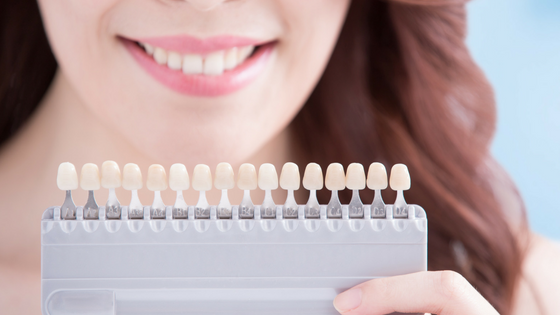
At our Leicester dental practice, we offer a tooth whitening treatment that guarantees you’ll achieve the lightest shade on the natural shade guide. It’s called Enlighten Ultimate. Enlighten offers results that aren’t even comparable to other tooth whitening solutions, all of our patients have been delighted with the results and the ease of the treatment.

Does it work on very dark teeth?

Yes, even if you have the darkest teeth on the shade guide we can still guarantee you will achieve the lightest colour.

I’ve heard teeth whitening can cause sensitivity?

It’s common that with some tooth whitening systems, transient sensitivity can be a big issue. However, with the Enlighten system, we offer at our Leicester clinic patients rarely report sensitivity problems that haven’t been resolved with the specially designed sensitive tooth serum contained as part of your package.

Will the results last?

The results will last indefinitely as long as you look after your tooth whitening trays and carry out a top up one night every couple of months.

Do I have to be a Patient of Smile Essential?
No, we carry out free tooth whitening consultations to new and existing patients.

Is tooth whitening suitable for me?

There are a few reasons why tooth whitening might not be for you. This is one of the key reasons we offer free consultations – to check your suitability. If it isn’t suitable the dentist will discuss your options.

Is it difficult?

The process is very simple and generally takes 3 appointments.

The first appointment is for a free consultation to check that your suitable and what your tooth whitening goals are, if you’re happy we can take the impressions at this stage to make your uniquely designed tooth whitening trays.

The second appointment is when the uniquely designed tooth whitening trays are fitted and then you start to whiten your teeth from home each evening for the next 2 weeks.

The final appointment at Smile Essential we complete in-surgery laser tooth whitening whilst you can relax and watch a DVD and then we will reveal your new whiter brighter and beautiful Smile.

To arrange a free consultation get in touch here…

Dental Leicester

Say goodbye to yellow teeth…

There are many reasons teeth can appear yellow. Most of the time yellow teeth are generally caused by surface staining. That’s why as we get older our teeth often get darker, picking up more and more staining.

Our Leicester dentists often whiten peoples teeth that have been stained as a result of their diet. The obvious culprits are tea, coffee and red wine, but there are many more not so obvious causes such as green tea – yup, green tea may be good for your body but it can cause tooth staining, tomatoes in pasta sauce, curry spices and berries all contain pigments that cling to tooth enamel and stain the surface.

The good news is that while your teeth may not look like the ideal set of pearly whites, teeth stained from your diet are actually perfectly healthy. If you wanted to improve the colour of your teeth though there are a few things you can do:

• Have a dental hygiene appointment. Plaque buildup on the teeth can make them appear more yellow having this removed and the teeth polished will remove the plaque and some surface staining. Regular hygiene appointments will keep on top of the staining and help your mouth to stay fresher and healthier.

• Buy an electric toothbrush. At our Leicester dental clinic, we recommend the Phillips Sonicare toothbrush. This can help to remove some staining and will help to remove new staining each time you brush.

• Professional Tooth Whitening. If you want to lighten your teeth by several shades then professional tooth whitening will give you the best results. Our Enlighten Ultimate treatment guarantees you’ll achieve the lightest natural tooth shade on our chart.

• Adjust your diet. We know it isn’t easy! It’s tough to start the day if you’re used to that cup of coffee to get you going or of course relaxing with a cup of tea. Oh, and what no curry!

There are also a few other reasons that your teeth may be yellow and it’s definitely worth speaking to your dental health team for advice:

– Tooth wear. The outer layer of the tooth is called enamel and is whiter than the underlying layer dentine which tends to be quite yellow. Tooth wear can occur because of a few things such as acids in the diet fizzy or fruit drinks, acid reflux and toothbrush abrasion – brushing too hard, incorrect technique or with a hard bristle toothbrush can cause the enamel to be worn away and show the yellow dentine layer.

– Fluorosis. Fluoride is good for teeth, but excess fluoride in early adulthood can cause yellow or brownish yellow spots called fluorosis. Avoid fluorosis by using the right amount of toothpaste for your child and make sure they spit out the toothpaste and not swallow it.

– Antibiotics. Tetracycline antibiotics stain teeth when they’re still developing in the gums. If your mother took antibiotics in the second half of her pregnancy, or you took them before the age of eight, you may have permanently stained adult teeth.

– Tooth Grinding. Also known as bruxism, it’s quite harmful to tooth enamel and the teeth. Many people are unaware that they are grinding their teeth. Tooth grinding is an unconscious habit some people have when they’re stressed, especially while asleep. It grinds down the tooth enamel and can be harmful to your dental health.

The best way to take care of your teeth is by visiting your local dental practice for tailored advice.

Dental Leicester

5 expert tips to keep your children’s teeth healthy…

All mums and dads know that it’s important for their kids to have a healthy mouth. Here are 5 expert tips to ensure you can keep your child’s teeth healthy and their smile cute!

1) This one is obvious, but it is firmly at number one for good reason. Brushing their teeth twice a day with a fluoride toothpaste removes soft plaque deposits and debris. The fluoride in the toothpaste also works to strengthen and protect the teeth in between brushing.

2) Make brushing as fun as possible. Little things can mean a lot to little ones. Letting them choose their own toothbrush will help them engage more with cleaning their teeth. You could clean your teeth at the same time and show them how fun it can be making lots of foam.

3) Get digital! This ties in with making toothbrushing fun. There are lots of fun apps and songs you can enlist the help of. Search on your app store for children’s toothbrush timers or check out this article: https://www.exceptionalsmiles.dental/blog/toothbrush-timer-apps-help-kids-love-brushing-teeth/

4) Diet. Kids naturally have a sweet tooth and it’s fine for them to indulge in the occasional treat – but the keyword is occasional. Children’s day to diet should limit sugar, this includes drinks. Children’s main drink should always be water.

It’s very important to restrict snacking. The frequency of the teeth being subjected to sugar is generally more important than the quantity when it comes to dental care.

5) Dental visits are vital for your child’s dental health.Children who reach the age of nine without having tooth decay have a 90 per cent chance of never having a filling in their lifetime – something to aspire to.

Regular dental health examinations from a young age will ensure children won’t suffer from untreated dental decay that could have a devastating effect on their growing teeth. There are a number of preventative treatments that our team can provide for children.

Find out more about children’s dental care…

Dental Leicester

Why do I need a dental crown instead of a filling?

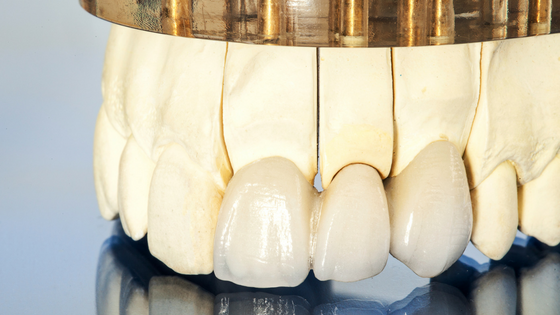
A dental crown or sometimes called a cap is a prosthetic restoration which completely covers or encircles a tooth or a dental implant. A dental crown offers protection to the tooth surface underneath its structure.

Why might I need a crown?

A crown is usually placed on a tooth that has previously had a filling or other restoration such as a veneer. There are many reasons that your dentist may decide to place a crown the most common reasons are

• The tooths structure is more filling than tooth
• The tooth has previously had root canal treatment.
• A tooth is badly decayed and after removing the decay there would not be enough tooth structure to place and hold a filling.
• The tooth has a large or suspected deep crack.

Can I not just have a filling and see if it works?

Our dentists will always do the least invasive option possible without jeopardising the long-term prognosis of the tooth. When a filling is generally (there are exceptions!) more than 2/3 of the tooth it puts a lot of pressure on the whole tooth structure and the filling is unlikely to last very long. The major concern with this is that with all of that pressure the tooth could break and then be irreparable – leading to an extraction.

If a tooth has previously been root treated for whatever reason it then becomes more brittle. The recommendation here is generally to place a filling after being root treated, then wait for several months to confirm the root treatment has been successful and then place a crown.Why is it more expensive than a filling?

A filling is placed using a composite material in one appointment by the dentist. A dental crown requires much more attention than a filling resulting in a longer appointment for the preparation work, an additional appointment for the crown fitting and the additional cost of a dental technician and crown.

• extensive preparation work on the tooth structure
• impressions
• making of a temporary crown
• a dental technician to construct your work in a laboratory
• an appointment to remove the temporary crown, place the permanent crown and make any necessary adjustments

Hopefully, that’s answered any questions you might have and concerning why you might need a dental crown.

If you do have any questions in regards to your treatment than your dental team will be more than happy to answer any questions you have.Dental Leicester