

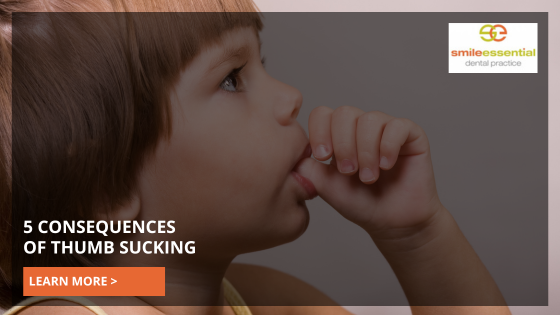
5 Consequences of Thumb Sucking (and What You Can Do About It)
If your dentist, mother-in-law, or well-meaning friend has been raising concerns about your little one’s thumb-sucking habit… they might actually have a point.
Thumb sucking is a common and often harmless habit in young children. In fact, around 90% of children will suck their thumb at some stage between the ages of 2 and 4. Most naturally grow out of it by the age of 2½, and it’s usually not considered a problem until after age 3.
For many children, thumb sucking is a source of comfort. It helps them feel calm when they’re tired, scared, unwell, bored, or facing new experiences—like starting nursery or preschool.
But if the habit continues once the adult teeth begin to appear—typically around age 5 or 6—it can start to cause more permanent issues.
The 5 Main Consequences of Long-Term Thumb Sucking
1. Tooth and bite problems
Persistent thumb sucking can shift the position of the teeth, potentially leading to an overbite or underbite. This can affect the way the teeth meet and even change the shape of your child’s face over time.
2. Exposure to germs
Fingers carry bacteria. Frequent thumb sucking introduces these germs into the mouth, increasing the risk of illness. Encourage regular hand washing and keep nails trimmed to help reduce this risk.
3. Changes to the roof of the mouth
Ongoing thumb sucking can alter the shape or sensitivity of the palate (roof of the mouth), which may affect eating, speech, or oral development.
4. Speech issues, such as lisps
The constant pressure of a thumb in the mouth can influence jaw positioning and tongue movement, potentially leading to a lisp or other speech difficulties.
5. Skin irritation and infection
Thumb sucking exposes the skin to saliva and enzymes that can dry, crack, or even break the skin—especially around the nail—making it more susceptible to infections.
How to Gently Help Your Child Break the Habit
Because thumb sucking is usually a comfort mechanism, it’s important to approach it with empathy rather than pressure. A stressed child may suck their thumb even more, so a calm, positive approach works best.
Here are some practical tips:
- Explain why it matters
- Talk to your child in simple terms about why it’s important to stop thumb sucking, and what might happen if they continue.
- Identify and reduce triggers
- Notice when and why they tend to suck their thumb—then look for ways to remove or ease those triggers.
- Offer distractions
- When you spot them thumb sucking, gently redirect their attention to a toy, book, or song.
- Use positive reinforcement
- Praise their efforts and consider using a reward chart to track progress and celebrate small wins.
- Ask your dentist for help
- We’re always happy to offer support, advice, and age-appropriate guidance.
- Try a thumb-sucking aid
- Some parents find success with aids like the Thumbsie, which make the habit less appealing without being punitive.
Concerned About Your Child’s Dental Health?
If you’re unsure whether your child’s thumb sucking is causing issues—or just want a little advice—we’re here to help. At Smile Essential in Leicester, we’re experienced in supporting families through every stage of oral development.
Get in touch with our friendly team to book a check-up or chat about your concerns.
