Patient Information

Take a look at our dental care plan in Leicester…

dental plan Leicester

Smile Essential Dental Care Plan

Almost a thousand of our patients have now joined our practice membership plan – Smile Plan. It offers a simple way to budget for your dental care.

Members benefits include:

  • 6 monthly dental health checks. This includes a mouth cancer screening, all necessary x rays and photographs.
  • 6 monthly hygiene appointments. These appointments with the dentist/hygienist include a thorough assessment of your gum health, fresh breath treatment, techniques to prevent gum disease, periodontal advice, and most of all, the thorough removal of built-up plaque that causes decay and a polish that refreshes your smile.
  • 15% discount on most dental work you may require – including most cosmetic treatments.
  • 12-month guarantee on all restorative work (provided due care has been taken).
  • Priority appointments for your convenience.
  • Same day assessment of dental emergencies and dental pain, when the practice is open.
  • Dispensing of most antibiotics.

If you’re away from home it’s handy to point out the following benefits of the membership:

  • Emergency call out*
  • Dental insurance for treatment needed anywhere in the world as a result of accidental damage to your teeth*
  • Worldwide emergency call-out*

*Please see your individual practice plan term and conditions to see what exactly is covered.

At Smile Essential dental practice we are completely committed to providing our patients with the best quality dental care. We want to spend more time with our patients and provide prompt treatment using the latest techniques and best quality dentistry, we find our membership plan enables our patients to fully take care of their dental health.

If you require any further information about Smile Plan please contact our practice team on 0116 2891317 and we will be happy to answer any of your questions.

Dental reviews Leicester

Diabetes and Dental Health…

Diabetes and dental health

What’s the Association Between Gum Disease and Diabetes?
Many people are surprised to discover the link between dental health and diabetes. Research has been ongoing for many years now and shows that there is an increased prevalence of gum disease among those diagnosed with diabetes.

If I Have Diabetes, am I at Risk for Dental Problems?
Managing your blood glucose levels is a crucial factor in deterring any likely problems. If your blood glucose levels are poorly controlled you are more at risk of developing serious gum disease, more so than non-diabetics.

What’s more is that serious gum disease may be a factor in causing your blood sugar to rise and make your glucose levels even harder to control.

Other oral problems associated to diabetes include: thrush, an infection caused by fungus that grows in the mouth, and dry mouth which can cause soreness, ulcers, infections and cavities.

How Can I Help Prevent Dental Problems Associated with Diabetes?
First and foremost, control your blood glucose level. Then, take good care of your teeth and gums, along with regular dental checkups every six months. To control thrush, a fungal infection, maintain good diabetic control, avoid smoking and, if you wear them, remove and clean dentures daily. Good blood glucose control can also help prevent or relieve dry mouth caused by diabetes.

Do I Need to Tell My Dentist?
Having the most up to date information on your medical health enables us to offer you the very best care and advice possible. To be able to advise you accurately it’s crucial we have a full medical history to stop any problems from arising.

Need to register at a new dentist? Click here to see why you should choose us…

Dental reviews Leicester

Do your teeth look a little see through?

What causes translucent teeth

Have you ever noticed that your teeth may appear a little translucent? Now they may have always been that way and it’s just a part of how you are genetically made. However, if you have noticed they are becoming more see-through (translucent) then it could suggest enamel erosion.

To grasp why teeth become more translucent it’s important to understand the basic anatomy of a tooth’s structure. Teeth mainly consist of dentine and the dentine is covered in a thin layer of enamel. Enamel is the hard white, shiny layer that you brush.

The enamel is the thinnest layer, it is quite translucent and unlike the rest of your body, it cannot repair itself. This poses a problem when through our daily habits we can cause unknown damage.

Enamel erosion happens when acids wear away the enamel on teeth, making them thinner and more translucent.

The following can cause enamel erosion –

  • Excessive soft drink consumption – due to their high levels of phosphoric and citric acids
  • Fruit drinks – some acids in fruit drinks are more erosive than battery acid!
  • Eating disorders such as Bulimia
  • Dry mouth called Xerostomia
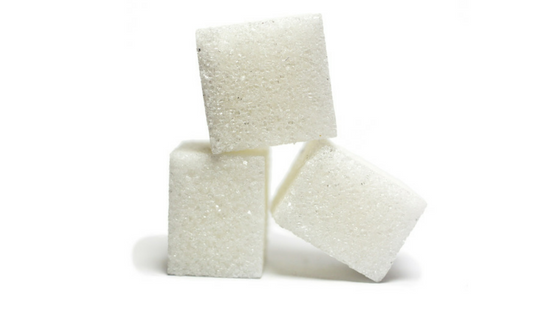
  • High sugar diets
  • Environmental factors such as grinding, friction, wear and tear, and corrosion.
  • Acid reflux
  • Gastrointestinal problems
  • Medications such as aspirin and antihistamines
  • Inherited genetics conditions

Now it’s important to remember that we will all see a little enamel erosion as we age, due to the general wear and tear of everyday life. However, if you are concerned about how translucent your teeth are becoming it’s important to seek the advice of a dental professional.

There are quite a few things you can do to prevent enamel erosion –

  • Eliminate highly acidic drinks from your diet. Anything carbonated such as coke, lemonade and citrus juices. If you do have an acidic drink you can reduce the damage it causes by consuming at meal times only. drinking with a straw and rinsing with water afterwards.
  • Frequent snacking throughout the day not only increases the chance of enamel erosion but also of tooth decay. The mouth is acidic for a couple of hours following consumption of high sugar foods.
  • If you notice that your mouth is dry then be sure to sip on water throughout the day to avoid your mouth becoming dry.
  • This one is easy to do – chew sugar-free gum between meals. Chewing boosts saliva production and help to bring the mouths acidity back down to a normal level. Try to select sugar-free gum with xylitol. Xylitol can help to strengthen the teeth and prevent problems
  • Use fluoride toothpaste. Fluoride strengthens teeth, so make sure fluoride is listed as an ingredient in your toothpaste.

If you’re at all concerned then book a visit to see your local dentist

Dental reviews Leicester

7 Things you absolutely need to know about mouth cancer…

mouth cancer action month

This month is Mouth Cancer Action Month and we want to help create awareness of this particular type of cancer. Screening for mouth cancer or as we often refer to it oral cancer, is part of each dental check that you have. In fact, your dentist may notice something before you do. Mouth cancer screening is one of the many reasons why attending regular dental health checks are so important.

Here are 7 things you absolutely need to know about mouth cancer –

• Cases of mouth cancer are on the increase! Experts expect incidences of mouth cancer to increase to continue to increase.

• Cancer of the tongue and oral cavity are the most common forms of mouth cancer, followed then by the throat.  Lip, neck and other mouth cancers make up the rest of cases.

• Mouth cancer in most cases is linked to lifestyle choices. Smoking is one of the main causes of mouth cancer however, alcohol consumption is now a known contributor. Also on the lifestyle list is diet –eat your veggies.

• People being affected by mouth cancer are getting younger. It used to be rare for a person younger than 65 -70 to have mouth cancer. But because of our current lifestyle people are getting diagnosed younger and younger.

• The human papillomavirus (HPV) is estimated to overtake smoking as the number one cause of mouth cancers in the future.

• Mouth cancer kills more people each year than cervical and testicular cancer combined.

• Early detection of mouth cancer results in a survival outcome of 90%. However, delayed diagnosis means survival rates drop to around 50%.

If you would like more information on mouth cancer then you might like to read this …

Dental reviews Leicester

Mouth Cancer Advice…

mouth cancer facts and advice

Mouth Cancer Action Month starts at the beginning of November and it’s to raise awareness of the increasing number of people being diagnosed with mouth cancer every year. In the last year 6,767 people have been diagnosed with mouth cancer, more than a third compared to a decade ago.

What can cause mouth cancer?

Cases of mouth cancer are most likely to be linked to tobacco and alcohol. Alcohol increases the risk of mouth cancer, and if tobacco and alcohol are consumed together the risk is even higher.

Recent reports have also linked mouth cancer to the human papillomavirus (HPV). HPV is the major cause of cervical cancer and affects the skin that lines the moist areas of the body. HPV can be spread through oral sex, and research now suggests that it could soon rival smoking and drinking as one of the main causes of mouth cancer.

What are the signs of mouth cancer?

Mouth cancer can appear as a painless mouth ulcer that doesn’t heal normally, usually ulcers heal within 2 weeks. A white or red patch in the mouth can also develop into cancer, as can any unusual lumps or swellings.

It is important to visit your dentist if these areas do not heal within a few weeks.

How can mouth cancer be detected early?

A dental examine the dentist checks inside of your mouth and your tongue with the help of a small mirror. Remember, your dentist is able to see parts of your mouth that you cannot see easily yourself. If mouth cancer is recognised early, then the chances of a cure are good. Many people with mouth cancer go to their dentist or doctor too late.

If your dentist finds something unusual they will refer you to a consultant at the local hospital, who will carry out a thorough examination of your mouth and throat. A small sample of the cells may be gathered from the area (a biopsy), and these cells will be examined under the microscope to see what is wrong.

If mouth cancer is spotted early, the chances of a complete cure are good, and the smaller the area or ulcer the better the chance of a cure.

How can I keep my mouth healthy?

It is important to visit your dentist regularly, as often as they recommend, even if you wear dentures. This is especially important if you smoke and drink alcohol.

Keep an eye out for what’s happening in your mouth, see a dentist quickly if you have any ulcers that don’t heal and visit a dentist regularly.

Eat a diet of plenty of fruit and vegetables to help the body to protect itself and cut down on your smoking and drinking.

Dental reviews Leicester

Bleeding gum advice…

bleeding when brushing

Bleeding gums can be quite alarming and it’s important that you don’t ignore it. Sometimes it can be a temporary occurrence and other times it may be something of greater concern.

There are several different causes of bleeding gums. Two of the most common are:

  • Gingivitis
  • Pregnancy Gingivitis

Gingivitis
Inflammation of the gums is called gingivitis. It is the initial stage of gum disease and you’ll be relieved to know that it’s the easiest to treat. However, early treatment is essential.

The direct cause of gingivitis is the plaque in your mouth – the soft, sticky, colourless film of bacteria that forms on the teeth and gums. Classic signs and symptoms of gingivitis include red, swollen, tender gums that may bleed when you brush. Some people may experience a foul taste or bad breath, which is caused because small pockets begin to form between the teeth and gums, where plaque and food debris collect.

What happens if you don’t treat Gingivitis?
When gingivitis is left untreated, it can advance to periodontitis. In a person with periodontitis, the inner layer of the gum and bone pull away from the teeth and form larger pockets. These small spaces between the teeth and gums collect debris and can become infected, eventually leading to teeth becoming loose and possibly falling out.

Pregnancy Gingivitis
Four in ten pregnant women will experience swollen, red, tender gums that bleed when flossed or brushed at least once during pregnancy. Your gums are more likely to become inflamed during pregnancy due to hormonal changes that make them more sensitive to the bacteria in plaque.

It’s imperative to keep your teeth and gums as clean and healthy as possible whilst pregnant. The best way to prevent or deal with gum problems is to practise good oral hygiene and visit your dentist regularly.

Prevention is better than cure
Brushing twice a day using a fluoride toothpaste and flossing once daily is the best way to ensure your gums won’t bleed. Gums can sometimes stop bleeding with regular flossing and good toothbrushing.

And of course, don’t forget to see your dentist on a regular basis – not just when you have a problem or concern. It really is the best way to keep your mouth healthy and in the best possible shape.

Take a look at our new patient package…

Dental reviews Leicester

Adult braces explained- it’s easier than you think…

Woman smiling with nice straight teeth

Many people are not happy with how their front teeth look when they smile and it can affect many areas of their life. Most adults are put off wearing braces because they don’t want the metal ‘train tracks’ for a couple of years.

However, with modern advances in orthodontics, there are now many options to straighten your teeth. Cosmetic brace systems such as Clear Smile Brace or Six Month Smiles are a rapid and cosmetic orthodontic system that focuses mainly on correcting the front 10 teeth.

The speed and cosmetically pleasing appearance of these brace systems means it can be an appealing option to give you a great straighter smile and more quickly than conventional brace systems.

Treatment generally takes between 4- 9 months with an average treatment time of around 6 months.

adult brace after photo

cosmetic braces

The easy steps…

Free Cosmetic Consultation

The first step is to come and see us at Smile Essential for a free cosmetic consultation. At your dental appointment, the dentist will take a full history and listen to how you would like to change your smile.
You and the dentist can then plan out your goals of the treatment and result you would want to achieve. You will have the opportunity to ask any questions you may have at this stage. The dentist will check your suitability for cosmetic braces and if suitable recommend you return for a full orthodontic assessment.

Full Orthodontic Consultation

A series of records need to be taken including photos, x-rays and impressions of your teeth. This will enable the dentist to provide you with a virtual set-up of the teeth and how they will look after the treatment. A full treatment plan will be provided along with likely timescales, fees and finance options.

Braces Fitting Appointment

Once you have consented and are happy with the treatment the dentist can get you started on your journey to new straighter teeth. The dentist will begin to bond the brackets to your teeth using a special adhesive. Then hi-tech flexible archwires are attached to the brackets. These wires will generate gentle forces that will start to gradually move your teeth into position.

Full instructions on brace care, diet and oral hygiene will be given. You will be able to ask any questions you have. Then you will book your first adjustment appointment usually about four weeks later.

Brace Adjustment Appointments

The adjustment appointments are usually around 30 minutes every 4 weeks until your teeth are fully aligned. At these appointments, space is created to allow movement and the archwires are replaced to generate appropriate tooth movements.

Once you are happy with the results, impressions are taken to create a custom retainer.

Braces Removal

This is an exciting appointment- the BIG reveal! Your braces are quickly and gently removed with a specially designed instrument. Your teeth are then cleaned and polished to leave a smooth surface. Your retainers are also fitted at this appointment to prevent your teeth from relapsing. Photos and final impressions are taken to record the final result. Full aftercare instructions are given and a retainer review appointment is scheduled. The whole appointment takes about an hour.

You’ll now be able to enjoy your wonderful new smile!

At the moment we are offering free tooth whitening with all cosmetic brace systems. To find out about booking an appointment click here.

Dental reviews Leicester

AirFlow teeth polishing offers superior cleaning…

teeth stain removal

We all love that dentist feeling of clean and now that feeling has got even better thanks to a revolution in dental technology. The innovative AirFlow polishing is an electrical machine that cleans and polishes the teeth with a mixture of water, compressed air and fine powder particles.

This method is superior to traditional polishing methods. A powerful jet of water, air and fine powder polishes all the surfaces of a tooth, removing plaque, discolouration and soft deposits, it reaches into the difficult to clean interproximal (in-between) areas which tend to attract more plaque and staining. The result of using the AirFlow polisher to remove excess staining helps teeth to looks shades whiter and ultimately make the whole mouth feel much healthier.

At Smile Essential we use a combination periodontal cleaning treatment. Firstly, we remove the hard plaque deposits called calculus with hand and ultrasonic scalers, then polish teeth the traditional way with a brush and polish; finally, we finish with the AirFlow polisher. The AirFlow polisher and it’s microparticles help to lift any remaining plaque and staining.

An added advantage to the AirFlow polisher is its efficiency in removing the biofilm that sits around the teeth and gums. The damaging biofilm develops when dental plaque is colonised by bacteria and can lead to gum disease. Breaking that biofilm is the finishing touch in our most advanced cleaning system.

The AirFlow polishing system is more comfortable than traditional methods of stain removal. If you suffer like so many of our patients with sensitivity especially whilst cleaning then you’ll love the air flow polisher. The polisher doesn’t have direct contact with the teeth, so it doesn’t make a squeaky noise nor does it vibrate. In fact, the experience is quite pleasant. The air polishing powders come in a variety of flavours, our favourites are lemon and spearmint.

Click here to find out more about the AirFlow polishing…

Dental reviews Leicester

When will my child start to lose their baby teeth?

When will my child lose her baby teeth?

When will my child start to lose their baby teeth, is a question we get asked often at Smile Essential Dental Practice by parents and eager children. Children start to lose their primary set of teeth, also known as baby teeth commonly called milk teeth because of their milky colour.

The age a child starts to lose their first set of teeth varies so don’t be alarmed if your child is early or late and seek advice from your dentist if you’re at all concerned.

Interestingly teeth often tend to fall out in the same order that they appeared. The first teeth generally fall out between the ages of 5 and 7 they are usually the bottom front two teeth followed by the top front teeth (central incisors), then the next two on either side of the bottom jaw, and finally, the two next to the top front teeth (the lateral incisors). Usually once these 8 teeth have been lost there tends to be a little break from the tooth fairy until the age of 10 – 12.

When your child starts this second phase of losing teeth aged around 10 – 12 it can take up to the age of 17 and it’s not unusual for it take up to 21 years old to lose the rest of the milk teeth.

Here are some other points you might like to know:

• New teeth may look bigger, especially those first few. That’s because they are!

• Adult teeth also tend to be less white than milk teeth – this is normal.

• New teeth can have pronounced ridges this is just because they haven’t been used yet for biting and chewing. They will eventually smooth over.

• Milk teeth don’t have roots when they fall out because they have been reabsorbed by the body

• Girls generally lose teeth earlier than boys

If you would like to know more about children health then click here…

Dental reviews Leicester

7 things you should never put in your mouth…

7 things you should never put in your mouth.

We wanted to compile a list of things that we have seen at Smile Essential Dental Practice that seem to cause our patients in Leicester avoidable dental treatment to help you from making the same mistakes and landing an emergency appointment to see the dentist.

Forks – This may come as a surprise to you and we are not suggesting for a moment that you start eating with a spoon instead or heaven forbid your fingers! You may have never noticed this before but, we guarantee that now you know you’ll see. All too often at restaurants the prongs of the fork are bent slightly out of line and can chip your teeth. Keep an eye out for this and ask the waiter to change it for you.

Fizzy drinks – We are in no doubt that you know that fizzy drinks are bad for your teeth, but why? Fizzy drinks are a cocktail for decay because they combine many various negatives components. The high sugar content which causes decay combined with the acidity with weakens the teeth, the frequent sipping keeps your teeth under attack and the fact the liquid washes around all of your teeth makes it a recipe for disaster. This includes diet fizzy drinks.

Ice cubes – We’ve seen a few people at Smile Essential dental practice with broken teeth or fillings after chewing on ice cubes. It’s surprisingly common for people to suck on ice cubes. They may be sugar-free but the irresistible urged to crunch could land you an unnecessary trip to see the dentist.

Pens – Whilst they’re not very tasty this little pen nibbling habit could chip one your front teeth. Absent-mindedly chewing on pen lids or tops is notorious for creating little chips in your teeth. If you have already have had dental work done such as crowns, veneers or fillings it could chip them off, making that a very expensive habit.

Bottle and jar lids – It’s frustrating not being able to get into your favourite jar of pasta sauce or open a beer when you can’t find a bottle opener, but do so at your peril! The extra pressure you put on your teeth might cause a crack so big it requires extensive dental treatment.

Toffee – This one tends to be a Christmas a special. If you’ve ever had jaw ache from chewing toffee you’re not alone. But all that chewing could dislodge a filling, we see this so often in the dental clinic. Another drawback of toffee is the sticky sugary nature of it, it gets stuck to your teeth and causes them to be under attack for longer.

M&M’s – Yes we love M&M’s too! M&M’s are high in sugar but that’s not what has earned them a place in ‘7 things you should never put in your mouth’, it’s the hard nature of them. Again we have seen patients that were munching away on M&M’s and broke a filling. If you haven’t got any fillings approach with caution and keep in moderation but if you have a number of fillings it’s probably best to avoid altogether.

If you’re long overdue a dental health check take a look at our new patient package and get the healthy mouth confidence you deserve.

Dental Practice leicester