

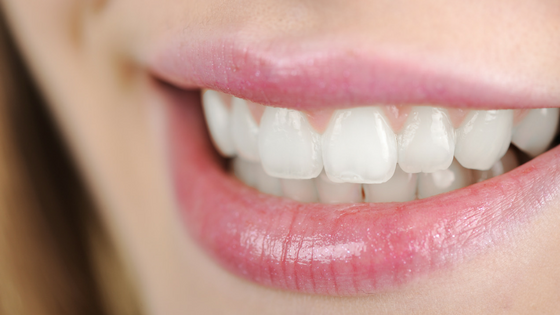
Have you ever noticed that your teeth may appear a little translucent? Now they may have always been that way and it’s just a part of how you are genetically made. However, if you have noticed they are becoming more see-through (translucent) then it could suggest enamel erosion.
To grasp why teeth become more translucent it’s important to understand the basic anatomy of a tooth’s structure. Teeth mainly consist of dentine and the dentine is covered in a thin layer of enamel. Enamel is the hard white, shiny layer that you brush.
The enamel is the thinnest layer, it is quite translucent and unlike the rest of your body, it cannot repair itself. This poses a problem when through our daily habits we can cause unknown damage.
Enamel erosion happens when acids wear away the enamel on teeth, making them thinner and more translucent.
The following can cause enamel erosion –
- Excessive soft drink consumption – due to their high levels of phosphoric and citric acids
- Fruit drinks – some acids in fruit drinks are more erosive than battery acid!
- Eating disorders such as Bulimia
- Dry mouth called Xerostomia
- High sugar diets
- Environmental factors such as grinding, friction, wear and tear, and corrosion.
- Acid reflux
- Gastrointestinal problems
- Medications such as aspirin and antihistamines
- Inherited genetics conditions
Now it’s important to remember that we will all see a little enamel erosion as we age, due to the general wear and tear of everyday life. However, if you are concerned about how translucent your teeth are becoming it’s important to seek the advice of a dental professional.
There are quite a few things you can do to prevent enamel erosion –
- Eliminate highly acidic drinks from your diet. Anything carbonated such as coke, lemonade and citrus juices. If you do have an acidic drink you can reduce the damage it causes by consuming at meal times only. drinking with a straw and rinsing with water afterwards.
- Frequent snacking throughout the day not only increases the chance of enamel erosion but also of tooth decay. The mouth is acidic for a couple of hours following consumption of high sugar foods.
- If you notice that your mouth is dry then be sure to sip on water throughout the day to avoid your mouth becoming dry.
- This one is easy to do – chew sugar-free gum between meals. Chewing boosts saliva production and help to bring the mouths acidity back down to a normal level. Try to select sugar-free gum with xylitol. Xylitol can help to strengthen the teeth and prevent problems
- Use fluoride toothpaste. Fluoride strengthens teeth, so make sure fluoride is listed as an ingredient in your toothpaste.
If you’re at all concerned then book a visit to see your local dentist
