
The singing might not be up to much but how great is this parody of ‘Sugar’!


The singing might not be up to much but how great is this parody of ‘Sugar’!
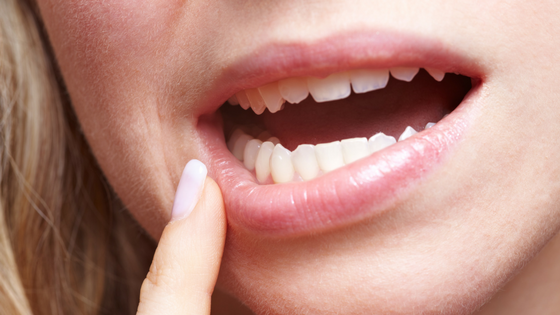
Tooth sensitivity is a common complaint at our Leicester dental practice. According to the International Dental Journal, 57 percent of adults between the ages of 20 to 50 report having sensitive teeth. The good news is that with most tooth sensitivity it can be easily treated at home.
What causes sensitivity?
Tooth sensitivity is most often caused when the dentine of the tooth becomes exposed. The whitest part of the tooth we see has a layer of enamel that protects the softer dentine underneath. If the dentine is exposed, a tooth can become sensitive. This usually happens where the tooth and the gum meet and the enamel layer is much thinner. It is the microscopic dentinal tubules that transmit the temperatures of the drinks and foods that we consume straight to the nerve cells of the tooth. Suddenly, you can have teeth sensitive to hot or cold.
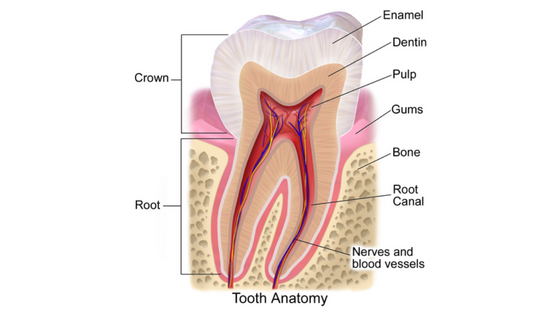
The most common causes of dentine exposure:
Abrasion – Incorrect toothbrushing by scrubbing the teeth especially where the teeth meet the gums
Recession – Gums can recede with age – becoming long in the tooth! The roots of the teeth will become exposed and can become more sensitive
Erosion – frequently consuming highly acidic foods and beverages can erode the enamel leaving the dentine exposed
Gum disease – a build-up of plaque or tartar can cause gum recession and even destroy the bony support of the tooth. Difficult to clean pockets can form around the tooth making the problem worse
Cracked tooth or filling – a cracked tooth or filling can allow direct access down into the dentine
Bruxism – commonly referred to as tooth grinding. Bruxism can cause the enamel of the teeth to be worn away, making the teeth sensitive
How to fix it?
In order to fix tooth sensitivity, it’s important to understand what has caused it. We would always recommend a trip to the dentist to give you an accurate diagnosis, treatment advice and guidance in preventing further issues.
However, for most people suffering from general tooth sensitivity they can successfully manage their symptoms by using a desensitising toothpaste.
https://youtu.be/CJERLygAda0
Sensitive toothpaste’s work by blocking the tiny dentinal tubules creating a barrier so they can’t transmit hot or cold sensations to the nerve area of the tooth.
When using a sensitive toothpaste it’s important to remember:
• Don’t rinse out after brushing with it. It has to stay on the teeth for a while in order to work.
• Allow some time before deciding if it is helping or not
• When you have found a toothpaste which works for you don’t switch to another. Not all sensitive toothpaste have the same ingredients.
Handy tip! If you have a particularly sensitive tooth try massaging the sensitive toothpaste into that area for a full minute. this can significantly reduce sensitivity.

In an episode of the Simpsons, a dentist tries to persuade a young patient (Ralph) into taking better care of his teeth by showing him ‘The Big Book of British Smiles’! Whilst the old American stock joke may have held some truth in a bygone era it certainly isn’t true anymore.
Spending on cosmetic dental treatments is certainly on the increase with spending reaching £1.86bn last year in the UK, according to market research group Mintel.
Celebrities have played a big role in the increase of smile makeovers. We only have to look at the culture of shows such as the X-factor, transforming people into superstars would not be complete without the customary smile makeover.
The favoured choice for improving one’s smile was once veneers but this was deemed by most dentists a little too destructive of otherwise healthy teeth and was financially out of reach for most.
Nowadays if people want to transform their smiles they (and dentists) would prefer to go down a more conservative route and keep their teeth as natural as possible. That’s why we absolutely love the latest advancement in tooth alignment technology – cosmetic braces.
A great smile doesn’t have to be absolute perfection but it does require 3 essential components –
• Healthy
• Straight
• Bright
The benefits of straight teeth aren’t just that your smile will look great. A key benefit to straight teeth is that they are much easier to clean. Straight teeth will help to reduce your risk in developing gum disease often caused by difficulty cleaning due to misaligned teeth.
The type of cosmetic braces we use are strictly for adults. They work by aligning only the teeth visible in your smile.
The cosmetic brace systems we use are:
Fast– You will have straight teeth in about four to nine months with the average treatment time of six months
Discreet– the wires and brackets are white and clear
Affordable– the short treatment time dramatically cuts the cost
Many adults are now realising that fixing their uneven smile is quite straightforward and actually improves the overall health of the mouth. They can have a cosmetically pleasing brace for a short period of time and at half of the cost of conventional orthodontics.
BONUS! We also offer complimentary tooth whitening with all of our cosmetic brace treatments at our Leicester clinic. So you can have straight, healthy and white teeth.
Book your free consultation now…

While your children can create healthy habits at any age, it’s easiest to teach and instil habits if you get them started early enough that it becomes the norm. Follow our 3 easy steps for taking care of your children’s teeth so they can benefit from a healthy mouth for life.
Step one: visiting the dentist
There is no need to ‘prepare’ your child for a visit to the dentist. It should be a casual visit, just like going to the shops. Book yourself a visit to the dentist and bring them with you. This way you can lead them by example and it will your child to get used to the practice and get to know the dentists. There is no need for a young child to be examined or sit in the dental chair at first. The most important thing is that we can build a great and relaxed relationship with yourself and also the child.
Step two: taking care with your child’s diet
It’s vital that children develop good eating habits. This will do more to protect their general health as well as dental health in later life.
• Ensure water is the main drink consumed if you want your child to have juice keep it strictly for meal times only
• Stick to regular meal times and discourage overly snacking
• Limit sugary foods sweets and fizzy drinks should be avoided as much as possible. These foods should be encouraged as treat foods and never foods that are consumed on a regular basis.
TOP TIP – cheese is great for snacking on and can be combined with many fruits such as apples, grapes and pear to give a delicious yet healthy snack.
Step three: tooth brushing
As soon as your baby has a tooth, brush it gently with a soft baby brush and a smear of toothpaste twice a day. Your baby will soon want to try brushing, and this should be encouraged even though they might just chew the brush a lot at first!
Children need to follow a very simple routine of using a fluoride toothpaste (appropriate for their age), brushing for two minutes and cleaning twice a day.
Give your child lots of praise, reinforce the message that they have very healthy teeth and show them how lovely and clean they are in the mirror.
Learn more about how we take care of your child’s teeth…

It is not without reason that we call our teeth pearly whites. A bright smile is always deemed more attractive over teeth that are stained yellow or brown. There are a variety of products and procedures available on the market to improve the looks of your smile. But before you decide, you need to get some facts straight.
1. Whitening is safe
If carried out by a trained dental professional, tooth whitening is perfectly safe. Based on our knowledge of your oral health we will discuss with you the options available, decide if tooth whitening is appropriate for you and develop an overall treatment plan that gives the desired result.
2. Only trained dental professionals can whiten teeth
It is illegal for anyone other than dentists or their team to carry out tooth whitening. Anyone else offering tooth whitening (e.g. beauticians, hairdressers and salon staff) won’t have the right training and knowledge. It could permanently damage your teeth and gums and they can’t help you if something goes wrong.
3. The preferred option
Tooth whitening does not remove the surface of your teeth or change their shape. It’s often the better option than alternatives, such as veneers or crowns, because it doesn’t involve permanently altering the tooth structure.
4. Selecting the right product for you
We are trained to know what whitening products will be safe for your teeth and gums. Products provided by non-dentist often do not have enough safety data and evidence to support their use; this can result in burned gums and/or blistered lips or even more serious consequences. Using products that are not appropriate for you will produce poor results.
5. How it works
A carefully controlled concentration of tooth whitening gel is applied to your teeth using specially-made trays that fit in your mouth. We will be able to discuss with you the level of whitening you want and give you an idea of how long the treatment should be carried out to achieve the shade you’re after.
6. What to expect during treatment
You may experience some sensitivity for a short time during your treatment but this is normal and will soon fade away after completion.
7. Over the counter, kits may not be safe
The products you can buy online or from high street shops often fail to declare the precise chemicals used so it’s very difficult to assess their safety. Because of this, they should not be considered safe. These products won’t produce the same good results you can expect by visiting us.
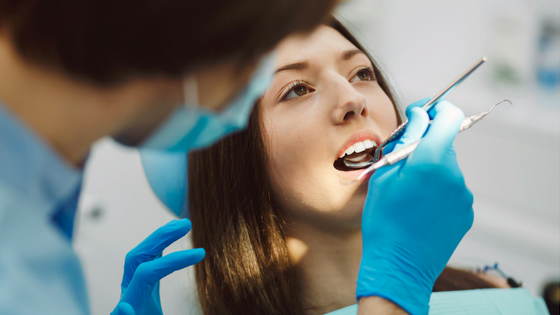
The way dentists have been given dental injections hasn’t really changed over the last 150 years but there has been a long overdue revolution in the world of dental injections namely – the Wand.
The Wand is essentially a computer-controlled dental injection using a small handpiece instead of an injection syringe. It’s a lot smaller and actually looks more like a pen than an injection. The flow rate of the local anaesthetic is digitally controlled by a computer which means that the injection is guaranteed to be slow and steady and therefore much more comfortable than traditional injection techniques.
We treat our patients as we would treat are family friends and this means trying out the treatments ourselves! Below you can see our practice manager experiencing the Wand for herself.
The reports we have had from patients so far have been fantastic and we have been using the Wand on patients that aren’t nervous too. The feedback we’ve received is that they haven’t felt a thing!
Dental injections are probably the most common dental phobia we see at Smile Essential. It’s fantastic that we can now offer something more modern that promises to be more comfortable than traditional injection methods.

Almost a thousand of our patients have now joined our practice membership plan – Smile Plan. It offers a simple way to budget for your dental care.
Members benefits include:
If you’re away from home it’s handy to point out the following benefits of the membership:
*Please see your individual practice plan term and conditions to see what exactly is covered.
At Smile Essential dental practice we are completely committed to providing our patients with the best quality dental care. We want to spend more time with our patients and provide prompt treatment using the latest techniques and best quality dentistry, we find our membership plan enables our patients to fully take care of their dental health.
If you require any further information about Smile Plan please contact our practice team on 0116 2891317 and we will be happy to answer any of your questions.
What’s the Association Between Gum Disease and Diabetes?
Many people are surprised to discover the link between dental health and diabetes. Research has been ongoing for many years now and shows that there is an increased prevalence of gum disease among those diagnosed with diabetes.
If I Have Diabetes, am I at Risk for Dental Problems?
Managing your blood glucose levels is a crucial factor in deterring any likely problems. If your blood glucose levels are poorly controlled you are more at risk of developing serious gum disease, more so than non-diabetics.
What’s more is that serious gum disease may be a factor in causing your blood sugar to rise and make your glucose levels even harder to control.
Other oral problems associated to diabetes include: thrush, an infection caused by fungus that grows in the mouth, and dry mouth which can cause soreness, ulcers, infections and cavities.
How Can I Help Prevent Dental Problems Associated with Diabetes?
First and foremost, control your blood glucose level. Then, take good care of your teeth and gums, along with regular dental checkups every six months. To control thrush, a fungal infection, maintain good diabetic control, avoid smoking and, if you wear them, remove and clean dentures daily. Good blood glucose control can also help prevent or relieve dry mouth caused by diabetes.
Do I Need to Tell My Dentist?
Having the most up to date information on your medical health enables us to offer you the very best care and advice possible. To be able to advise you accurately it’s crucial we have a full medical history to stop any problems from arising.
Need to register at a new dentist? Click here to see why you should choose us…

Meera joined the team in September and is already gaining popularity amongst our Leicester patients.
Meera enjoys all aspects of dentistry including treating children and anxious patients and continues to expand her knowledge and skill set by attending regular courses and keeping up to date with her knowledge.
Your role at the dental practice? Dentist
Your favourite part? Creating smiles
Your least favourite part? Paperwork!
What do you like about being part of the Smile Essential team? That I am surrounded by great people.
What do you like about working in dentistry? Meeting lovely people every day
When you were little what did you dream of doing when you grew up? I wanted to be a Vet
Favourite film? Fast and Furious
Favourite TV programme? Desperate Housewives.
How important do you think a good smile is? It’s extremely important as it gives you confidence. It’s important to come for regular dental health checks.
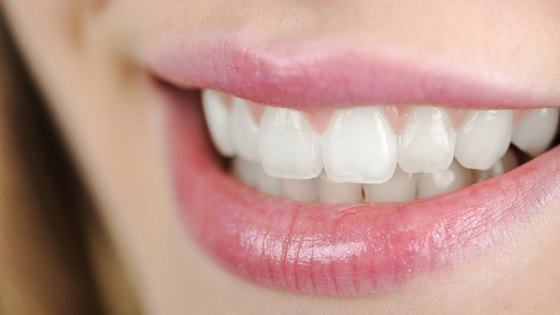
Have you ever noticed that your teeth may appear a little translucent? Now they may have always been that way and it’s just a part of how you are genetically made. However, if you have noticed they are becoming more see-through (translucent) then it could suggest enamel erosion.
To grasp why teeth become more translucent it’s important to understand the basic anatomy of a tooth’s structure. Teeth mainly consist of dentine and the dentine is covered in a thin layer of enamel. Enamel is the hard white, shiny layer that you brush.
The enamel is the thinnest layer, it is quite translucent and unlike the rest of your body, it cannot repair itself. This poses a problem when through our daily habits we can cause unknown damage.
Enamel erosion happens when acids wear away the enamel on teeth, making them thinner and more translucent.
The following can cause enamel erosion –
Now it’s important to remember that we will all see a little enamel erosion as we age, due to the general wear and tear of everyday life. However, if you are concerned about how translucent your teeth are becoming it’s important to seek the advice of a dental professional.
There are quite a few things you can do to prevent enamel erosion –
If you’re at all concerned then book a visit to see your local dentist