Patient Information

Everything you need to know about root canal treatment but were to afraid to ask!

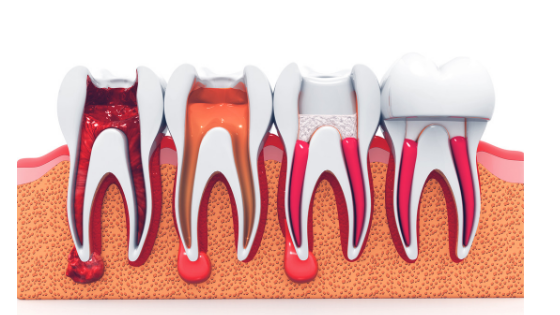
Most people will have heard of root canal treatment but few know what it is! Often when people hear the words ‘root canal treatment’ they instantly freeze with fear as they associate it with unnecessary pain and expense. But root canal treatment (endodontics) is a vital treatment which can save your tooth and save you from a lot of toothache in the future! Our emphasis at Smile Essential dental practice in Leicester is to save teeth and to help you to keep your teeth for life.

Why would I need a root canal treatment?

Root canal treatment (also called Endodontics) is needed when the pulp inside your tooth becomes infected through tooth decay or damaged by an injury to your mouth. This infection may spread through the root canal system, which could eventually lead to an abscess, causing a great deal of discomfort.

What doe’s root canal treatment involve?

Treatment involves the removal of the pulp tissues from the centre of your tooth and refilling it with a special material. Special tools and equipment are required to do this. Treatment is usually completed over 2-3 appointments.

Can I have the tooth removed instead of having root canal treatment?

The loss of even one tooth can have a detrimental effect on your mouth and can lead to your other teeth drifting into the gap, which can cause problems with your bite.

Does root canal treatment hurt?

Root canal treatment procedures are relatively comfortable and often painless as the tooth is anaesthetised during treatment. After treatment, the tooth may be sensitive or tender for a few days due to inflammation of the surrounding tissues. Taking over-the-counter painkillers can relieve this discomfort.

How long is the treatment to have root canal work done?

The treatment is usually carried over 2-3 appointments and can take between 1.5 and 2 hours.

How much does root canal treatment cost?

Our root canal treatment at our Leicester clinic costs from £315. There are other cost considerations you will need to account for such as X-rays, a filling and the future cost of a crown.

Your dentist will provide you with an estimate of costs and a breakdown of the treatment and payments required.

Does root canal treatment always work?

The success rates for root canal treatment is in the region of 80%- 95%. The success depends on firstly being able to access the canals and secondly on the ability to disinfect the entire length of the root canals. In some cases, this is not possible due to the extent of the infection, technical difficulties and complications. Provided the tooth is subsequently restored, it should last for many years.

What will my tooth look like after the root canal treatment?

Sometimes a root-filled tooth may darken, particularly if it died as a result of an injury such as a knock to the tooth. At Smile essential we usually place a tooth coloured to seal the tooth and shape it so it looks like the natural anatomy of a tooth.

How long will my tooth last after having root canal treatment?

Root-filled teeth are more likely to break than healthy unrestored teeth, so your dentist may suggest placing a crown onto the tooth to protect it once the root canal work has completely settled down – usually 6-12 months.

Around 9 out of 10 root-treated teeth survive for 8 to 10 years. Having a crown fitted to the tooth after root canal treatment is important for improving tooth survival rates.

Find out more about the root canal treatment we offer at our Leicester dental practice…
3 Simple tips to stop your kids teeth from rotting this summer…

Schools out and the kids are ruling the roost! As parents, we know how sometimes you just need to keep our little darlings quiet for just a moment. We reach for a sugary treat be it a lolly, a biscuit or chocolate bar. It’s easy to slip into bad habits over the summer. But here are our top 3 ways to keep ahead and keep the kid’s teeth decay-free this summer.

1) Don’t forget to brush!
During the school holidays, your regular routines can slip and things you would usually do are easily forgotten. But please don’t let toothbrushing slip. Brushing your teeth last thing before bed and at one other time during the day with fluoride toothpaste is one of the best ways to prevent dental problems for your children.

2) Don’t snack all day!
Give your kids food at the right time so they have all the three essential meals and fall to snacks and in-between meals less often. Hunger can often be a reason for falling to sugary treats so a good way to combat it and help them avoid sugar is to give them full balanced meals at meal-times.

Also, avoid frequent sipping on juice or pop. This can be disastrous when it comes to their teeth. It doesn’t allow the ph of the mouth to stabilise meaning their little teeth are under constant attack. Encourage sipping of water through the day and if the juice is a must then limit to mealtimes.

3) Don’t reward them with sweets!
This is an easy trap for many to fall into. Sweet treats used to be just that – treats! Treats would maybe be a weekly thing. It has now turned into a daily ritual. Consider treats that you or relatives could replace for the sugary ones.

The warmer months and laid back days can mean frequent sipping on juice or pop. This is a disaster when it comes to their teeth. It doesn’t allow the ph of the mouth to stabilise putting the teeth under constant attack. Encourage sipping of water through the day and if the juice is a must then limit to mealtimes only.

Sadly Leicester children have the worst teeth in the UK according to an NHS survey. Twelve-year-old children in Leicester have the highest rate of tooth decay in England. The latest figures found 45.3% of 12-year-old children in the city have experienced tooth decay, compared to an England average of 17.5% in 2008/09.

If your child needs a dental health check-up then please take a look at our children’s services here

What it means for our patients – Gold Membership of the British Dental Association Good Practice Scheme.

The BDA scheme is designed to recognise high standards of care, excellent teamwork and commitment to providing a positive patient experience and the gold standard represent 15 years of adhering to the high standards set out by the British Dental Association.

We are one of the first dental practices in Leicester to achieve Gold Membership of the British Dental Association Good Practice Scheme. President of the BDA Dr Barry McGonigle said: “Gold Membership is a symbol of a decade of commitment, hard work and dedication; all practices honoured with the award should be very proud.”

What does membership to the Good Practice Scheme mean for our Leicester patients?

It means that we are totally committed to supporting patients towards achieving and maintaining good oral health. Achieving the best possible outcomes for our patients depends upon the skills and professionalism of the whole dental team.

Good Practice Scheme membership means that:

1. We will work with you to provide care that meets your needs and wishes. We will explain what we are proposing to do and tell you about any significant risks. We will explain options and cost so that you can make an informed choice about your care and we keep all information about you confidential

2. We look after your general health and safety whilst you are receiving dental care by undertaking risk assessments and managing any potential hazards at our premises. Infection control and cleanliness is also essential for safety and we follow current guidelines on preventing cross infection

3. All our staff are given training in practice procedures, staff members responsibilities are clear and staff take part in continuing professional education to keep their skills and knowledge up to date

4. Our practice working methods are reviewed regularly and we ask patients for their views on our service in order to identify any opportunities for improvement.

Take a look at all of the high standards we set at our Leicester dental clinic…

5 ways your teeth show your age and how you can stop them!

As we age so do our teeth. It makes sense as you know your Granny and Gramps’ teeth look quite different from yours (real teeth or not!). However, it isn’t something we necessarily think about or ponder the question ‘hmmm how can I keep my teeth looking youthful?’.

Let’s discuss the 5 ways that your pearlies are showing your age and advice from our Leicester dentists on how you can keep them looking youthful.

1) Ageing – Worn Down Teeth

As we age teeth can become more worn due to general wear and tear. However, for some, they may be grinding their teeth excessively. This generally occurs when they are sleeping and as a result, many people are unaware they do it. Bruxism is the medical term for this type of teeth grinding. Whilst Bruxism can affect you at any age it is most common in 25 – 44 year olds. Stress, drinking alcohol and caffeine can worsen the symptoms.

There are a few things you can do to check if you suffer from this. First, ask your partner if they have noticed you grinding your teeth (most people discover this way!) also, take a look at your teeth in the mirror are the edges of the teeth flat? Take a close look at your canine tooth as this is should be generally more pointy but gets worn down over time from tooth wear and grinding. You can also ask your dentist at your next appointment. In our Leicester dental practice, this is something we always monitor and discuss with our patients.

You can reduce the chances of your teeth becoming overly worn by keeping lifestyle factors such as stress, smoking, drinking and caffeine to a minimum. Discuss potentially wearing a guard to protect your teeth at night with your dental practitioner.

2) Teeth Get Darker As You Age

This happens for a few reasons, we. Firstly the stains from what we eat and drink build up on the teeth, they become more ingrained as we get older (think of your favourite tea mug). There’s also of course smoking and drinking red wine which is notorious for causing heavy staining and discolouration.

Secondly, it’s caused by the thinning of the outer tooth surface – the enamel which is generally whiter which shows the underlying dentine which is a more yellow shade. Also with ageing, the tooth lays down more dentine, which reduces the translucency of the tooth, making it appear darker.

There are several things you can do to help this. You can be careful with the food you eat and drink and you most definitely should stop smoking. You can reduce staining by drinking or rinsing with water afterwards, using a reputable fluoride toothpaste which helps with daily stain removal (Colgate Total Whitening) and using an electric toothbrush – we love the Philips Sonicare electric toothbrush.

You should be mindful about enamel erosion and wait at least an hour after eating or drinking before brushing or you could be brushing away the whiter tooth enamel. Finally, be careful about consuming acidic foods and drinks e.g. sipping lemon water.

Consider professional teeth whitening. Home tooth whitening can be fantastic for lightening the teeth. You usually carry out the treatment each evening for around 14 nights. You can see the improvement daily so you can always stop the treatment if you’re teeth become as light as you would like. It’s important to note that teeth whitening only works on teeth and will not lighten dental fillings, crowns or veneers.

Young Adult Teeth

Older Adult Teeth

Take a close look at the images above can you see the different ways that the smile has aged?

3) Ageing and Receding Gums

Gum tissues do naturally recede with age but it is often our own handling of gums that does the most damage. Overzealous brushing (or scrubbing!) can damage the gums, particularly for the delicate area where the teeth and gums meet – the gum margin.

Also receding gum lines are often caused by gum disease. This condition begins with dental plaque, a sticky substance that contains bacteria, mucous and food debris – is left on your teeth. Often missed by brushing along the gum margins and in between the teeth – an area where your toothbrush can’t reach.

By visiting our Leicester oral health team regularly they can advise you on the correct and most effective routine for you and spot signs early to prevent them from becoming problems.

Other warning signs your brushing too hard is that your toothbrush is flayed or you are using an electric toothbrush but instead of letting the brush do the work you continue to use it as a manual toothbrush and are moving it around as opposed to letting it glide over your teeth.

4) Ageing and Missing Teeth

Tooth loss seems to accelerate in the older years. The most common cause for this is gum disease. But it can also be due to teeth becoming decayed or heavily filled over the years.

It’s important to get tailored advice from your dentist about replacing missing teeth. Even if you just lose one tooth it can be detrimental to your teeth. If there is a space where your tooth was it could lead to your other teeth moving (a popular phrase in dentistry is – teeth like to have neighbours!). There is likely something going on that may affect your other teeth, so get advice and stop things from progressing.

Every tooth in a man’s head is more valuable than a diamond. ~Miguel de Cervantes

5) Ageing and Discoloured or Old Fillings

Often dental patients mistakenly think that fillings last forever. Sadly this isn’t true. All fillings will have to be replaced at some point. Old fillings can really age the teeth that are visible when you smile. When fillings are old they can have leaky margins (where the filling connects to the tooth) this can attract staining and also harbour plaques and debris causing more extensive problems.

Getting your fillings checked regularly is very important. Our modern Leicestershire dentists are focused on prevention rather than restoration. Dental X-rays are a useful tool for your dental team to check and areas they can’t visibly see such as between the teeth and underneath your fillings.

Take a look at how our Leicester dental team can help to keep your mouth healthy and your gums in great condition…

Direct access to our Leicester Hygienist…

Do I have to see a dentist before seeing a hygienist? There was a change in legislation several years ago which means that patients can now see a dental hygienist without a referral or recommendation from their dentist.

Dental hygiene is a key element of good oral health and improved access to dental hygienists should help to improve standards of oral health and reduce the risk of hygiene-related diseases, such as decay and gum disease.

By seeing our dental hygienist and therapist in Leicester and following their treatment and advice you will:

• Minimise your risk of tooth loss
• Reduce the risk of developing gum disease
• Reduce the risk of developing tooth decay and need for fillings
• Minty fresh breath and sparkly clean teeth
• Better overall health and wellbeing

It is also good news for nervous patients who may delay visiting a dentist due to dental phobia as they may feel more comfortable seeing a hygienist than a dentist. Regular hygiene sessions can help to reduce the need for more complex treatment.

Even if you have strong, healthy teeth, seeing your hygienist will help to keep your teeth and gums healthy. Hygienists are able to provide a much more intensive clean than brushing at home; hygiene sessions remove all the plaque and bacteria from the mouth, leaving your teeth glossy and smooth and your mouth clean and fresh.

Find out more about our hygiene services…

Your teeth whitening questions answered!

Does teeth whitening work?

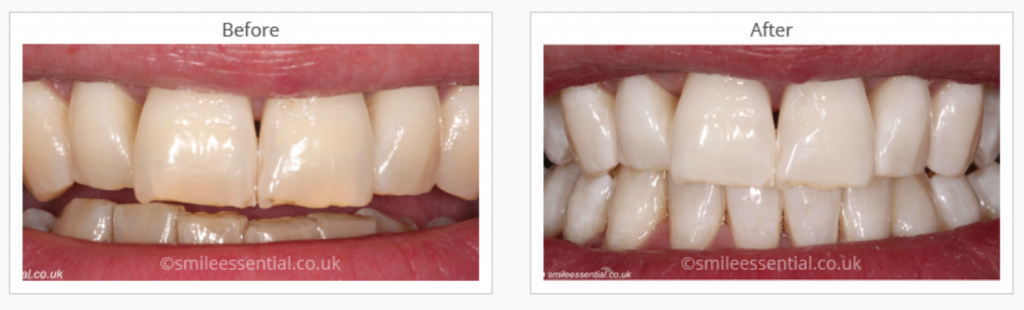
Professional teeth whitening carried out by a dentist can lighten your teeth by several shades. This method of whitening works. Over the counter whitening kits and toothpaste remove minimal superficial staining, so are less effective.

Does tooth whitening at the dentist work better?

Hydrogen peroxide is one of the most effective materials for whitening teeth. In the UK only dentists can provide products containing or releasing more than 0.1% hydrogen peroxide up to 6% hydrogen peroxide. Over the counter products are generally much weaker and ineffective at lightening teeth.

How long does it take to whiten teeth?

Up to 14 nights or 1-hour dependant on the treatment. Generally, professional whitening treatments from the dentist fall into two categories – home and in office. Home whitening takes around 2 weeks wearing customised mouth trays each evening. The other option is in office whitening which takes around 1 hour.

How long does tooth whitening last?

The effects of whitening are thought to last up to 3 years if you don’t carry out maintenance treatments. Over time teeth will get darker again due to staining and lifestyle factors such as smoking. You can maintain the effects of whitening with regular top-up treatments.

Does teeth whitening hurt?

Whitening your teeth can cause them to become sensitive. This sensitivity is usually intermittent and will disappear when you have completed whitening your teeth. There are products which can help ease tooth sensitivity during the whitening process.

Will tooth whitening damage my teeth?

Whitening carried out correctly under the professional guidance of a dentist will not harm or cause any damage to your teeth.

Does whitening work for everyone?

Whilst teeth whitening works for the majority of people it’s important to note that it doesn’t work for everyone. Some teeth are too deeply stained or otherwise resistant to the effects of whitening gels. Whitening also won’t lighten dental work such as fillings, crowns etc.

How much does it cost to get your teeth professionally whitened?

In the UK teeth whitening ranges from £199 to £500. Often the biggest cost is the initial outlay of the customised trays and whitening kit. Following the initial treatment costs, your teeth will require regular top-up treatments using the whitening gel these cost approx £50 per year.

Is it worth getting your teeth whitened?

Professional teeth whitening can be an effective way to improve the aesthetics of your smile. Lightening your teeth by several shades. A brighter smile is often seen as an attractive trait.

Which is the best tooth whitening?

For the best teeth whitening treatment you need well fitting whitening trays (similar to mouthguards but much thinner) and a quality whitening gel containing hydrogen peroxide. The trays stop the gel leaking into the mouth and stops the gel becoming diluted with saliva.

Have more teeth whitening questions? Contact us here and send us your teeth whitening questions…

Brush up your routine…

Most of us know that taking care of our teeth is now more important than ever. We want to ensure our teeth not only look great, but our breath is fresh and our mouth healthy. With this said it is easy to fall into bad habits that’s why we thought we would share some tips from our Leicester dentists to keep you on track with that winning smile.

• Brush your teeth last thing at night and don’t have anything else to eat or drink after that. You should also brush your teeth at least one other time during the day. You should always use a fluoride toothpaste when brushing your teeth.

• Clean between the teeth. This can be done by either flossing or using interdental brushes. You’ll be surprised at just how much food and plaque you will find squashed in between those gnashers!

• Quit smoking. Our Leicester dentists advise that it will help to reduce tooth staining, gum disease, tooth loss, and in more severe cases mouth cancer.

• Change your toothbrush every two to three months or sooner if it becomes worn. Toothbrushes aren’t as effective when they are worn they also harbour bacteria. If you stock up on spare toothbrushes then it’s easier to keep on top of swapping.

• Visit your dentist regularly, as often as they recommend.

• Chew sugar-free gum after eating or drinking, especially sugary foods. This helps to protect your teeth and gums in between meals.

• Wait an hour after eating/drinking before brushing. The saliva is more acidic after eating/drinking which makes the enamel softer. Brushing could cause unnecessary abrasion.

• Avoid snacking and try to only have sugary foods and drinks at mealtimes. Constant snacking increases the time your mouth is acidic and teeth under attack. Try to just stick with water between meals.

Need to arrange a dental appointment at our Leicester clinic? Get in touch here…

Diabetes and your dental health…

Brushing and flossing are a lot more important than you may think! You’re probably aware of the effects of not brushing and flossing to brush on your teeth but what about the effect it has on your body?

The mouth is the gateway to your body and if you have a healthy mouth then you are more likely to have a healthier body. Your mouth is has millions of bacteria and most of them are harmless. Usually, the body’s natural defences and good oral hygiene, such as daily brushing and flossing, help to keep these bacteria under control. However, without proper dental care, bacteria can reach high levels that might lead to tooth decay and gum disease and even diabetes.

Many people are surprised to discover the link between dental health and diabetes. Research has been ongoing for many years now and shows that there is an increased prevalence of gum disease among those diagnosed with diabetes.

Inflammation from diabetes impairs the body’s ability to utilise insulin. By improving your oral hygiene and treating gum disease you can help to bring diabetes under better control.

Having diabetes can increase your risk of dental problems? Managing your blood glucose levels is a crucial factor in deterring any likely problems. If your blood glucose levels are poorly controlled you are more at risk of developing serious gum disease, more so than non-diabetics.

What’s more, is that serious gum disease may be a factor in causing your blood sugar to rise and make your glucose levels even harder to control.

Other oral problems associated with diabetes include thrush, an infection caused by a fungus that grows in the mouth, and dry mouth which can cause soreness, ulcers, infections and cavities.

You might be wondering how you can prevent dental problems associated with diabetes… First and foremost, control your blood glucose level. Then, take good care of your teeth and gums, along with regular dental checkups every six months. To control thrush, a fungal infection, maintain good diabetic control, avoid smoking and, if you wear them, remove and clean dentures daily. Good blood glucose control can also help prevent or relieve dry mouth caused by diabetes.

Sometimes people don’t realise that they need to tell their dentist that they have diabetes. However, having the most up to date information on your medical health enables us to offer you the very best care and advice possible. To be able to advise you accurately it’s crucial our Leicester dentists have a full medical history to stop any problems from arising.

Diabetes Prevention Week 1-7 of April 2019. Check your risk of Type 2 diabetes… 

We now offer Invisalign…

Whatever your age you don’t have to put up with crooked teeth! If you have always wanted straighter teeth we could help. We have been offering cosmetic fitted braces for some time now and we delighted to announce we have just added Invisalign clear braces to our list too.

Here are some frequently asked questions about Invisalign we hear at our Leicester dental practice

How does Invisalign Work?

Invisalign works by gently exerting pressure on your teeth to move them into the correct position. Each aligner is changed every 7-14 days so it can adjust the pressure in the right spots as your teeth move.

Is Invisalign really discreet?

Absolutely. The clear aligners make them virtually undetectable at a social distance. They are one of the most discreet cosmetic brace system available on the market.

Will Invisalign affect my lifestyle?

You should wear your Invisalign aligners day and night but they can be removed to eat, drink and to brush and floss your teeth. This is often a big bonus for patients that have previously had conventional orthodontics as you have to adjust the food you eat.

Does it hurt?

It’s generally considered less painful than traditional fitted brace systems. Most people being treated with Invisalign report some discomfort when changing their aligners. This usually dissipates shortly after.

Will Invisalign work for me?

Invisalign isn’t a suitable treatment option for everyone. That’s why we always invite people in for a complimentary consultation. This will allow our Leicester dentists to have a chat with you to see if Invisalign would work for you and they would also advise you of your other options, including if an alternative treatment with an orthodontist would be more suitable. If it is decided that this is the right treatment for you, we will invite you back for a more detailed assessment.

How long does Invisalign take?

This depends on the position of your teeth and the complexity of your case. Invisalign can take as little as 3 months. Your Invisalign provider will be able to provide you with an approximate timeline once the Invisalign treatment process had begun.

How much does Invisalign Cost?

Again this depends on your personalised Invisalign treatment plan. Though your Invisalign provider will be able to give you an approximate cost at a complimentary consultation. It’s important when looking at the cost of Invisalign treatment you check what is covered. Such as retainers following the treatment to keep your teeth in place and also any added benefits such as free teeth whitening.

Arrange your complimentary consultation today…


The Ultimate Teeth Whitening Treatment…

When it comes to whitening your teeth there are many options available. However, it is important to bear in mind that not all tooth whitening systems are created equal!

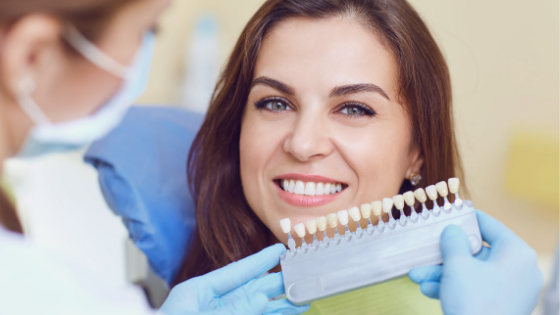
The teeth whitening system we use at our Leicester clinic is a professional system called Enlighten. Enlighten can whiten even the darkest teeth by several shades, in fact, you can lighten your teeth up to a staggering 16 shades! Enlighten is widely acknowledged as the most effective whitening system in the world. It’s the only one that guarantees a Vita shade B1 for every patient. But don’t worry your teeth won’t look unnaturally white. Sometimes the very white teeth you see on celebrities are often crowns or veneers which are made from porcelain.

We have two choices available for patients wishing to whiten their teeth. Enlighten Ultimate and Enlighten Home. Both of these involve a 2 week home treatment however, the Enlighten Ultimate treatment is followed by a 1 hour in practice visit to the dentist. It works by increasing the tooth‘s permeability to oxygen which breaks down stain molecules.

The dentist will help you to decide which option is most suitable for you depending on the shade of your teeth and what you are hoping to achieve.

How does it work?
The whitening gel is placed into your custom made teeth whitening trays which hold the teeth whitening gel without it leaking into the mouth or being diluted by saliva. The trays are very comfortable to wear and are worn overnight for 14 consecutive nights. The active ingredients in the teeth whitening gel pass through the dental enamel, breaking down stains by chemical oxidation. The process can take some time so it is important to finish the treatment as directed by your dentist.

How long do the results last?
Results can last indefinitely with some very simple maintenance. Wearing the trays for 1 night every other month. Continuing to brush with Tooth Serum will also prolong results.

Will it work for me?
Enlighten teeth whitening has a 98% success rate. As with all teeth whitening systems they cannot lighten fillings, veneers or crowns. Your dentists will check and discuss your suitability at your consultation appointment.

Is it teeth whitening painful?
Sometimes there is some transient sensitivity but this passes once the treatment is complete. Enlighten is the only whitening brand to give you: guaranteed long-lasting whitening results and low sensitivity compared to other whitening systems.

Book an appointment for a free teeth whitening consultation…