Friendly Leicester Dental Practice…

I have been a patient at Smile Essential for a number of years. I used to be a very nervous patient and really hated going to the dentist after having several bad experiences at other dentists in Leicester. The staff are very friendly and very helpful too. From the moment you walk into the time you leave you are put at ease and any treatment you receive is explained to you.

I have recently moved to the Isle of Wight but I will be coming back to Leicester so I can have my treatment at Smile Essential.

Find out more about joining our Leicester practice…

How gum disease can affect your overall health…

The mouth is often overlooked when we are considering the health of our body. However, there is growing evidence that an unhealthy mouth, especially if you have gum disease, may increase your risk of serious health problems.

Chief Executive of the British Dental Health Foundation, Dr Nigel Carter, explains: “The link between oral health and overall body health is well documented and backed by robust scientific evidence. Despite this, only 1 in 6 people realise that people with gum disease may have an increased risk of stroke or diabetes. And only 1 in 3 is aware of the heart disease link.”

With that in mind, we take a closer look at some of the most documented connections. 

Alzheimer’s Disease and Gum Disease Link UK

A study published earlier this year linked gum disease to Alzheimer’s disease. The bacteria most commonly responsible for gum disease produces an enzyme that was present in higher levels in brain tissue of patients who suffered Alzheimer’s compared to normal brains of the same age. A second study showed that the bacteria can increase the production of amyloid beta, a major component of the amyloid plaques in Alzheimer’s. These studies don’t prove any direct causation and more still needs to be done.

Premature Labour and Gum Disease Link UK

Gum disease can have implications during pregnancy. Maternal periodontal disease increases the chances of giving birth prematurely (less than 37 weeks) or to a lower weight baby. A study of 400 women discovered that the women who received periodontal treatment had less premature labours.

Diabetes and Gum Disease Link UK

There is an increasing number of links between gum disease and diabetes. Around half of the UK, population suffers from gum disease and about 10% of them have it severely enough that it leads to tooth loss. 

The increase in blood sugar level, which occurs in diabetes, can cause damage to nerves, blood vessels, the heart, the kidneys, the eyes and the feet. In the same way, the gums can also be affected.

Evidence also shows that severe periodontal disease can increase blood sugar levels in people with diabetes and also in those who do not have diabetes. In other words, periodontal disease and diabetes are linked in both affect one another.

Heart Disease and Gum Disease Link UK

There have been established links between gum disease and heart health. The Brtish Heart Foundation is doing lots of research into the links between heart disease and gum disease. They have put together this fantastic easy to understand video explaining why gum disease can affect your heart.

Now it’s important to remember that gum disease is treatable. If treated early then there are often no harmful effects. If left untreated it can cause damage but is still treatable and can prevent further problems from occurring.

If you are worried about your gum health then please get in touch with us for advice…

Over 20 years of good treatment at this Leicester dental practice…

I have been coming to this dentist for over 20 years and the service care, concern and planned treatment has given me years of peace of mind and more importantly, I’ve kept most of my teeth!

The receptionist Adele and dental staff Amelia… Lina… and all staff including the excellent cleaners of the premises… I cannot thank you all enough and never have any fears or worries about my treatment… Thank you!

Mrs J.P, Leicester.

Find out here what to expect on your first appointment at Smile Essential…

Here’s what you should know about Invisalign at our Leicester dental practice…

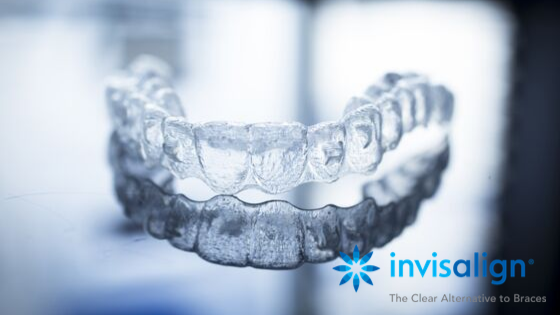
Invisalign treatment is an incredibly popular option for realigning your teeth. It is one of the main cosmetic brace systems that is requested by our Leicester dental patients.

Invisalign treatment involves wearing clear aligners over your teeth – so they are almost completely invisible. They are developed using the worlds most advanced system. Gently exerting pressure on key areas to align (hence being known as aligners) the teeth into a more desirable position. The aligners are designed to be changed every 1-2 weeks as the teeth can only be moved a small amount at a time.

https://youtu.be/hagnJjEydjE

To get started with Invisalign one of our Leicester dentists will assess to see if Invisalign is the most suitable option for you, your other options, including if an alternative treatment with an orthodontist would be more suitable. If it was agreed then the next step would be a more detailed assessment in which a ClinCheck is created. This maps out your entire Invisalign journey, detailing how long exactly the treatment will take and will also show you how the final result will look. This is very exciting for our Leicester patients seeing the results beforehand!

Invisalign cases take different lengths of time depending upon the complexity of the case. You will know an approximate length of time once you have completed a ClinCheck. Invisalign can be completed in as little as 3 months or it can take up to 2 years for complex cases.

After completing treatment many people wish they had straightened their teeth years ago. Having your teeth aligned in a more attractive way can really help to boost your confidence and keep you smiling.

Arrange your complementary consultation today…

What’s the process of having dental veneers…

Dental veneers are often seen as the staple of the perfect celeb look. However, over recent years more and more people are seeking options such as veneers to improve their smile.

We have developed this simple guide to help you to understand more about dental veneers and if they might be an option you wish to look at.

What are dental veneers?

Dental veneers are wafer-thin, custom-made shells of tooth-coloured materials, designed to cover the front of your teeth to improve their appearance. These shells are bonded to the front of the teeth. Dental veneers can change the colour, shape, size, width/length, they can be used to treat gaps or hide unsightly teeth.

The most common reasons dental veneers are used:

• Heavily discoloured teeth

• Worn-down teeth

• Teeth that are chipped or broken

• Create a more desirable tooth shape

• Close a space between teeth

What is the procedure for getting veneers done?

For the best results, veneers can require several visits to the dental practice. The following stages help to outline the process:

Step 1) Diagnosis and treatment planning. 

This first step involves active participation between you and your dentist. You need to be able to explain to the dentist the results you would like. Consider the key thing that you would like to address and that you are trying to achieve. Photo’s of the type of look you are after can help you to get the most out of this appointment. 

As well as the discussion, of course, the dentist will need to examine your teeth to make sure dental veneers are appropriate and discuss what the procedure will involve for you, the time frame, the cost and key considerations about the treatment. The dentist may take X-rays and take impressions of your mouth and teeth.

Step 2) Test Run! 

We appreciate that committing to having cosmetic work carried out especially on your front teeth can be a daunting task. That’s why we work closely with our laboratory to create diagnostic wax-up models of your teeth with the veneers in place. This way we can work together to see if there is anything that you would like to change before carrying out any work. 

Step 3) Preparing the teeth for veneers.

Preparing a tooth for a veneer. The treatment can be carried out comfortably while you lie back and watch a DVD from our extensive DVD menu. Your dentist will shave about half a millimetre of enamel from the tooth surface, which is roughly equal to the thickness of the veneer to be added. Your dentist will then make a model or impression of your tooth. This model is sent out to a dental laboratory, which constructs your veneers. It usually takes around 2 weeks for us to receive the veneers back from the laboratory. In which time we will make you some temporary dental veneers.

Step 4) Fitting your dental veneers. 

Before the dental veneer is permanently cemented to your tooth, the dentist will show you the teeth on the tooth models. If you’re both happy then the next step is to remove your temporary veneers. Even at this stage the dentist will place the veneers onto the tooth and check the fit and look of them before permanently cementing. They will also show you in the mirror if possible. 

Next, to prepare your tooth to receive the veneer, your tooth will be cleaned, polished, and etched, which roughens it to allow for a strong bonding process. The dentist gets a bit fussy at this point about not getting the teeth wet (it affects the glue). So they may gently guide you to keep your mouth open and they’ll go quiet whilst they concentrate. A glue cement is applied to the veneer, which is then placed on your tooth. Once properly positioned, it will be set via our blue curing light, which activates chemicals in the cement causing it to harden quickly. The final steps involve removing any excess cement, evaluating your bite and making final adjustments as necessary. Finally the exciting part! Showing you, your fantastic new smile in the mirror! 

Step 5) The review appointment. 

Aftercare is very important when it comes to dental veneers. Our Leicester dental team will ask you to return for a follow-up visit a couple of weeks after the fitting to check how your gums are responding to the veneer/s and everything fits and feels good. 

Long term maintenance

Veneers don’t last forever and most veneers aren’t reversible – meaning you can’t just have them removed and have your natural teeth. With good care and maintenance, veneers can last around 10 years. But this depends on many factors. The dentist will discuss the length of time they expect them to last for you.

Find out more about dental veneers at our Leicester dental practice…

7 Reasons to use that smile of yours!

1. Smiling makes you more attractive


A 2013 study revealed that, when shown identical faces that only differed in their facial expression, people preferred the smiling face. 

Smiling helps to draw people in – it’s a warm welcome that instantly puts people at ease. Ultimately a greats mile makes you more attractive!

2. A smile is contagious

This is a fun one to try out! Smiling back at someone is an automatic response for most of us. Someone with a beaming smile can light up a whole room.

3. Smile to feel better


Stress can show up in your face! A smile can help you to feel better and stop you from becoming overwhelmed. helps to prevent us from looking tired, worn down, and overwhelmed. Smiling can trick the body into helping you change your mood. Muster a smile and you’ll start to feel a little better.

4. Smiling is good for your health!

It can boost your immune system and even lower your blood pressure! When you smile, it can positively affect your health possibly because you are more relaxed! 

5. Smiling makes you feel good

Studies have shown that smiling releases endorphins, natural pain killers, and serotonin. Together these three make us feel good. Smiling is a natural drug!

6. Smiling can help you to look younger

When you smile the muscles we use to lift the face and help you to appear younger. `Smiling your way through the day — you’ll look younger and feel better.

7. Smiling keeps you thinking positively


30Take this test! Smile – a big smile. Okay so now try and think of something negative – without losing the smile. It’s tough! A smile is interpreted in our body that life is good!

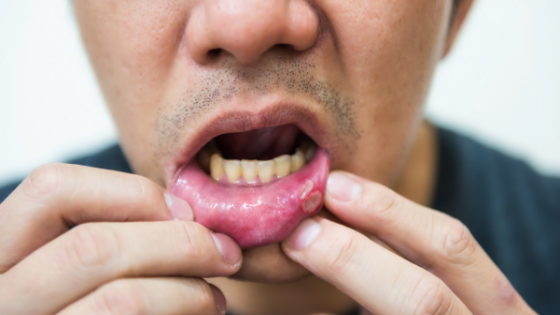
Ouch! I have a mouth ulcer!

1 in 5 people will suffer from mouth ulcers at some point in their life. Ulcers can be painful when eating, drinking or brushing teeth. It’s a problem that we see often at our Leicester dental practice. It’s ok to suffer from occasional mouth ulcers, they are usually harmless and generally clear up on their own.

What causes mouth ulcers?

Believe it or not, the exact cause of mouth ulcers is still unknown!

There are things that are thought to trigger simple mouth ulcers such as stress or certain foods such as citrus fruits (such as lemons, oranges, pineapples, apples, figs, tomatoes and strawberries), can trigger a mouth ulcer or make the problem worse. Sometimes a sharp tooth surface or dental appliances, such as braces or ill-fitting dentures, might also trigger mouth ulcers.

Occasionally cases of complex mouth ulcers are caused by an underlying health condition, such as an impaired immune system; nutritional problems, such as vitamin B-12, zinc, folic acid, or iron deficiency and gastrointestinal tract diseases, such as Coeliac disease and Crohn’s disease.
Seek medical advice if they last longer than 3 weeks or keep coming back.

Sometimes medications can cause mouth ulcers, if you notice a correlation between your medication and mouth ulcers then it’s important you continue with the medication but seek advice from your GP as soon as possible.

How are mouth ulcers treated?

Pain from a mouth ulcer generally lessens in a few days and the sores usually heal without treatment in about a week or two.

If sores are large, painful or persistent, your dentist may prescribe an antimicrobial mouth rinse, a corticosteroid ointment, or a prescription or non-prescription solution to reduce the pain and irritation.

Over the counter remedies such as Bonjela may help to relieve some discomfort temporarily.

When to seek medical advice:

Unusually large sores
Sores that are spreading
Sores that last three weeks or longer
Intolerable pain despite avoiding trigger foods and taking over-the-counter pain medication
Difficulty drinking enough fluids
High fever with the appearance of the mouth ulcer(s)

Can mouth ulcers be prevented?

Sadly there is no cure yet for mouth ulcers. You may be to reduce the frequency of ulcers with the following:

Practice good dental hygiene
Avoid foods that irritate your mouth, including acidic or spicy foods
Avoid irritation from gum chewing
Using a soft-bristled toothbrush after meals and flossing daily, which will keep your mouth free of foods that may trigger a sore.

If you’re worried about mouth ulcers contact us here…


5 top tips for your freshest breath yet

1) Prevent or treat existing dental problems

Tooth decay and gum disease have a distinctly unpleasant smell. To treat this pong permanently a visit to your local dental practice is required. Most dental problems can be prevented by brushing twice a day, cleaning in between your teeth daily, limiting sugar consumption and visiting your local dental practice.

2) Use a mouthwash

Incorporate a mouthwash into your daily routine at a different time to brushing. Choose an antibacterial mouthwash and use at a different time to brushing. This will help to flush out any food particles, kill off smelly bacteria and give you a minty zing.

3) Eat an apple

We all know what you eat can affect your breath. Garlic and onions are renowned for their pong! But there are also a lot of foods that have a beneficial effect on your breath such as fruits, vegetables, herbs and even yoghurt! One of our favourites is the daily apple. It not only helps your breath to smell nice and fresh but the fibrous apple helps to almost brush the teeth clean!

4) Drink all-day

Of course, we’re talking about the good stuff – water. Keeping the mouth well hydrated helps your mouth in many ways. It helps to wash away trapped food particles as well as helping your mouth to function more efficiently.

5) Chew gum

A good way to keep your mouth fresh in between brushing is to chew sugar-free gum. It increases saliva production which is good news for your mouth! Its minty flavour also helps to keep your breath beautifully fresh!

Find out more about keeping your breath smelling fresh and your mouth healthy…

Brushing your kid’s teeth and how technology can help…

Technology is generally a part of most children’s lives now and whilst there has to be a balance, technology can be used to be a force of good in your child’s everyday life. Good habits start young and there are now many technologies that can be used to improve your child’s oral health. Here are some of our favourites!

Phone Apps

Brush DJ

The free multi-award-winning Brush DJ app is suitable for use by all ages. This toothbrush timer app plays 2 minutes of music from your devices, cloud or streaming service – to make toothbrushing for an effective length of time less boring!

The app is fully customisable for your child. Choosing their favourite colour, age-appropriate information and advice.

You can use Brush DJ with a manual or electric toothbrush and it allows you to set reminders to:

•Change your toothbrush/brush head every 3 months

•Brush at least twice a day

•Floss/clean interdentally every day

•Use a mouth wash at a different time to toothpaste

•When next to visit dentist, hygienist, orthodontist or dental therapist

Sugar Smart App

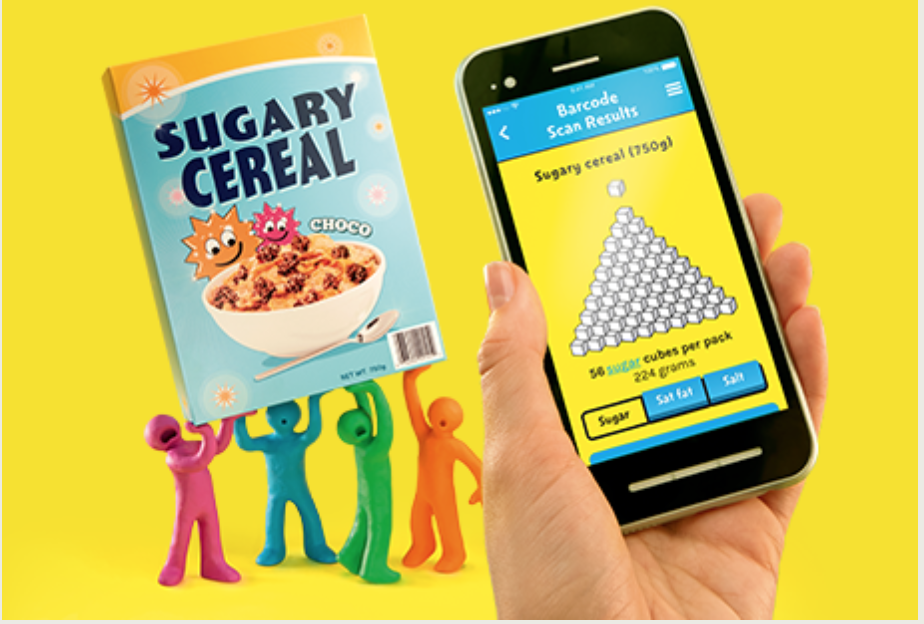
Change 4 Life – NHS have a fantastic website full of helpful information and advice on sugar swaps. There is also a ‘Sugar Smart‘ app from Public Health England which works by scanning the barcode of products to show the total sugar content in cubes or grams, aiming to help parents take control of their children’s sugar intake.

YouTube Videos

Brush Your Teeth Super Simple Songs

This is great for very little ones. Many parents of babys and toddlers are probably aware of this popular YouTube channel and their baby entrancing songs! This app is also nice and calm so an ideal song to incorporate into the bed time routine.

The Tooth Brushing Song – The Tooth Brushing Badge 

A timed toothbrushing song good for young children. It includes enough time to get their toothbrush out and put the toothpaste on too.

Tooth Brushing Song by Blippi | 2-Minutes Brush Your Teeth for Kids

This video has over 87 million views! The Blippi teeth brushing song is an animated timed two minute catchy song. Get ready to sing it all day long!

Why do We Brush Our Teeth?

As children are getting older it would be good to get them involved with understanding why brushing their teeth is important.

Toothbrushes

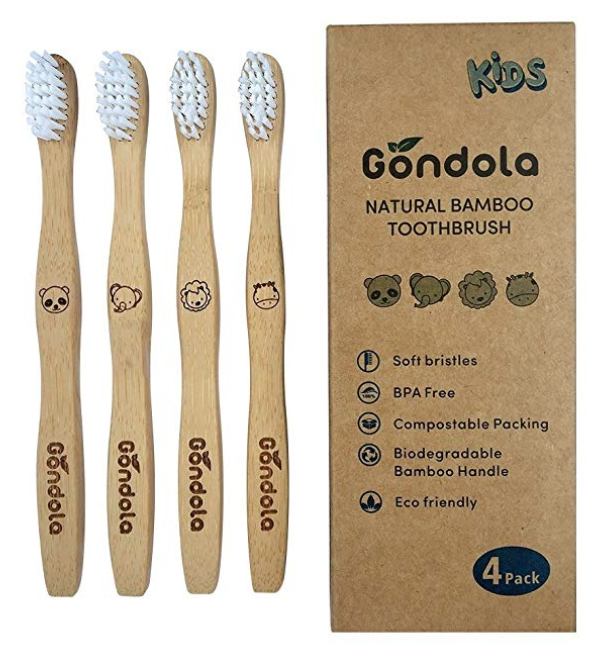
Gondola Kids Bamboo Toothbrush 

Okay so this isn’t very technical – it’s the reverse – back to basics. However, this eco-friendly toothbrush is ideal for very young children. Using a small manual toothbrush is more appropriate when your children are very little. The important part is to use a smudge of age-appropriate toothpaste and get them into healthy habits of brushing twice a day and limiting sugar intake.

The Disney MagicTimer App by Oral-B

Oral- B report that 90% of kids who use this product brush their teeth for longer. With a million downloads it’s a popular choice for parents. You buy any Oral-B Stages product, download the Disney MagicTimer app and scan the product with your device to watch the characters spring into action. As your child brushes their teeth, they can unveil a secret image. The longer they brush, the more the image is revealed.

There’s a calendar to help you track their progress and they can earn badges and rewards for frequent brushing. You can find out more about this here…

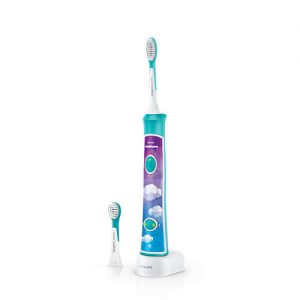
Philips Sonicare For Kids – connected electric toothbrush


The Philips Sonicare For Kids app syncs with your child’s sonic toothbrush to help them learn about oral care through play. Your child’s brushing coach challenges him to brush better and for longer. Each session starts with clear visual instructions about correct brushing techniques and the app’s progress monitor tracks the total performance. Kids learn while having fun, and parents get to see how well kids are doing between check-ups.

The app syncs with your child’s sonic toothbrush via Bluetooth to show proper brushing techniques and track performance. Kids can see how well they brush, and earn exciting rewards for a job well done.

As you can see technology can be a great aid for helping your child to achieve and maintain great oral health. Find out more about children’s dental health here…


Everything you need to know about root canal treatment but were to afraid to ask!

Most people will have heard of root canal treatment but few know what it is! Often when people hear the words ‘root canal treatment’ they instantly freeze with fear as they associate it with unnecessary pain and expense. But root canal treatment (endodontics) is a vital treatment which can save your tooth and save you from a lot of toothache in the future! Our emphasis at Smile Essential dental practice in Leicester is to save teeth and to help you to keep your teeth for life.

Why would I need a root canal treatment?

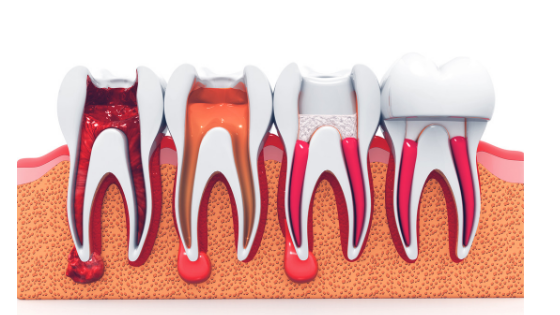
Root canal treatment (also called Endodontics) is needed when the pulp inside your tooth becomes infected through tooth decay or damaged by an injury to your mouth. This infection may spread through the root canal system, which could eventually lead to an abscess, causing a great deal of discomfort.

What doe’s root canal treatment involve?

Treatment involves the removal of the pulp tissues from the centre of your tooth and refilling it with a special material. Special tools and equipment are required to do this. Treatment is usually completed over 2-3 appointments.

Can I have the tooth removed instead of having root canal treatment?

The loss of even one tooth can have a detrimental effect on your mouth and can lead to your other teeth drifting into the gap, which can cause problems with your bite.

Does root canal treatment hurt?

Root canal treatment procedures are relatively comfortable and often painless as the tooth is anaesthetised during treatment. After treatment, the tooth may be sensitive or tender for a few days due to inflammation of the surrounding tissues. Taking over-the-counter painkillers can relieve this discomfort.

How long is the treatment to have root canal work done?

The treatment is usually carried over 2-3 appointments and can take between 1.5 and 2 hours.

How much does root canal treatment cost?

Our root canal treatment at our Leicester clinic costs from £315. There are other cost considerations you will need to account for such as X-rays, a filling and the future cost of a crown.

Your dentist will provide you with an estimate of costs and a breakdown of the treatment and payments required.

Does root canal treatment always work?

The success rates for root canal treatment is in the region of 80%- 95%. The success depends on firstly being able to access the canals and secondly on the ability to disinfect the entire length of the root canals. In some cases, this is not possible due to the extent of the infection, technical difficulties and complications. Provided the tooth is subsequently restored, it should last for many years.

What will my tooth look like after the root canal treatment?

Sometimes a root-filled tooth may darken, particularly if it died as a result of an injury such as a knock to the tooth. At Smile essential we usually place a tooth coloured to seal the tooth and shape it so it looks like the natural anatomy of a tooth.

How long will my tooth last after having root canal treatment?

Root-filled teeth are more likely to break than healthy unrestored teeth, so your dentist may suggest placing a crown onto the tooth to protect it once the root canal work has completely settled down – usually 6-12 months.

Around 9 out of 10 root-treated teeth survive for 8 to 10 years. Having a crown fitted to the tooth after root canal treatment is important for improving tooth survival rates.

Find out more about the root canal treatment we offer at our Leicester dental practice…