Patient Information

Healthy Teeth, Healthy Heart?

heartPaying attention to your dental hygiene and health, especially your gum health. May not only pay you back with more than a nice, gleaming, healthy smile. It could help keep your heart healthy too!

It has long been debated between dentists and cardiologists the link between gum disease and heart disease. Here at Smile Essential dentist in Leicester we often see patients that could support the various theories surrounding the gum disease and heart disease link. While there are several theories, it is not clear whether gum disease actually has a direct link to heart disease or not. If it’s true that people with poor oral health have more heart attacks, it doesn’t necessarily mean that poor oral health causes them. People with good oral hygiene may just be taking better care of themselves. In other words, people who floss and brush their teeth may have healthier life style and other heart-healthy habits.

How Could they be linked?

Experts agree that there are plausible reasons why dental health and heart health may be linked. For example, inflammation is a common problem in both diseases. Narrowing of the arteries or atherosclerosis, is associated with inflammation. Much of the build up of fatty plaque, also called atheroma (not the same as plaque we find on the teeth) in the arteries is an inflammatory process. Inflammation is also associated with gum disease. Gingivitis (the early stages of gum disease) occurs when gums become inflamed and bacteria invade the tissues.

What research shows about gum disease and the heart-

Experts in periodontology and cardiology reviewed more than 120 published medical studies, position papers and other data on the heart and a possible dental health link. They developed a consensus report, published in 2009 simultaneously in the Journal of Periodontology and the American Journal of Cardiology.

The aim of the paper was to give cardiologists, periodontists and other health professionals a better understanding of the links between gum disease and heart disease. But overall research is still ongoing and more is needed to know for sure.
7 Steps to the Perfect Dental Health Check

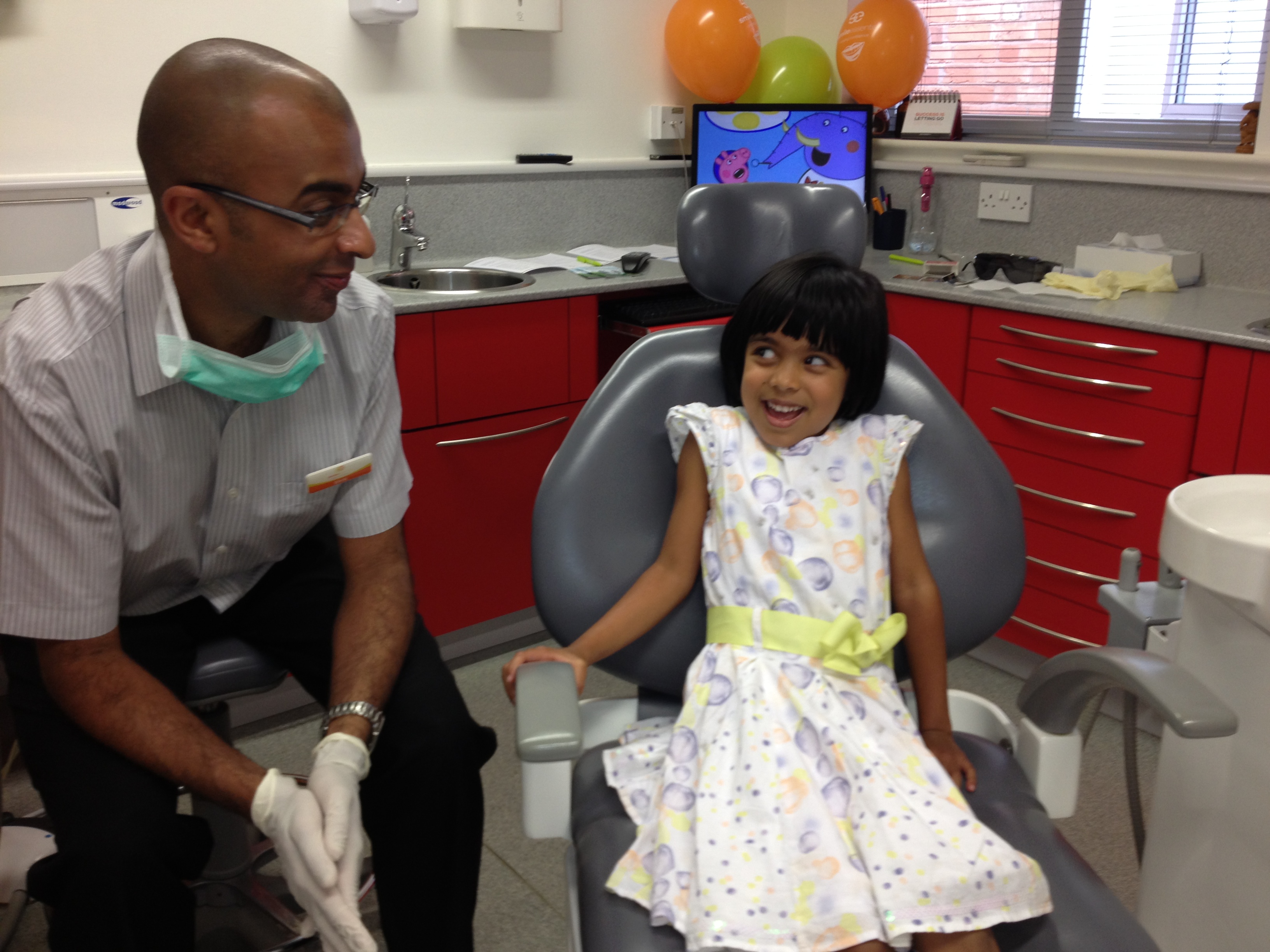
SE060It’s time, 6 months has flown by. So you turn up to the dentist…reluctantly for your checkup.

Well already you are one of the elite as less than 50% of the great British public even go to the dentist!

Hopefully it doesn’t smell like your childhood memories, here at Smile Essential dentist in Leicester we use aromatherapy oil burners to banish THAT smell.

You’re sitting in the chair when a voice calls out ‘Open Wide’.  How do you know that he/she is doing what they are supposed to do?  Is there a perfect dental check up?

Here’s what to look out for:-

1.   They should be nice and smiley. Yes I know that is so not scientific but I think it’s plain common sense, to help you relax.

2.   Extra-Oral Exam– This is a posh way of saying they should check all the stuff on the outside to do with your mouth.

  • TMJ- This is your jaw joint, is it moving freely, is it clicking, is there any pain?
  • Lips, muscles
  • They should check the lymph nodes under your jaw, behind your ears, along your neck.  This is important as many diseases especially cancer can be detected early via these nodes

3.   Intra-Oral Exam– This is basically all the pink stuff inside your mouth. Cheeks, inside lips, tongue, palate. The dentist is checking for any lumps and bumps and ulcers

4.   Periodontal Checks-Basically how healthy your gums are.  The colour, consistency.  A dental Probe should be used (has markings like a ruler) and is used to check how healthy your gums are. A score of 0 is the healthiest, 4 is the worst and means you have gum disease. Yup in dentistry we do it the opposite, of everyone else…the higher the number the worse your score!

5.   Teeth– Checking old fillings still intact, no cavities, any chips cracks etc, check existing restorations, e.g. crowns, veneers and bridges

6.   X-rays – Only when necessary but this varies.  Could be after 6 months, 1 year, 2 years or somewhere in between.  It depends on the individual and how many fillings they have or prone to.

7.   Discussion – At the end they should sit you up, it’s hard to have a good conversation when you’re  lying down unless it is pillow talk! They should let you know any issues, what to do next and give you a written treatment plan with costs upfront.

Notice teeth come way down in the list.  There are a lot more things we check for than just your teeth!


10 Great Tips To Stop Smoking


It’s never too late to quit smoking and there are many benefits to be gained no matter what age you are when you give up. If you want to stop smoking, you can make small changes to your lifestyle that may help you resist temptation to light up.

1) Think positive

You might have given up before, but tell yourself that you’re really going to do it this time.

2) Make a plan to quit smoking

Make a promise, set a date and stick to it. Don’t be put off by a wedding, party or other time when you’d normally smoke.

3) Change your diet

Is your after-dinner cigarette your favourite? A US study revealed that some foods, including meat, make cigarettes more satisfying. Others, including cheese, fruit and vegetables, make cigarettes taste terrible. So swap your usual steak or burger for a veggie pizza instead.

4) Change your drink

The same study looked at drinks. Fizzy drinks, alcohol, cola, tea and coffee all make cigarettes taste better. So when you’re out, drink more water and juice. Some people find that simply changing their drink (for example, switching from wine to a vodka and tomato juice), affects their need to reach for a cigarette.

5) Identify when you crave cigarettes

A craving can last five minutes. Before you give up, make a list of five-minute strategies. For example, you could leave the party for a minute, dance or go to the bar. And think about this: the combination of smoking and drinking heavily raises your risk of mouth cancer by 38 times.

6) Tell everyone that you are giving up smoking

If friends or family members want to give up too, suggest to them that you give up together. A team effort may be easier than going it alone.

7) Get moving

A review of scientific studies has proved that exercise (even a five-minute walk or stretch) cuts cravings and may help your brain to produce anti-craving chemicals.

8) Make non-smoking friends

When you’re at a party, stick with the non-smokers. When you look at the smokers, don’t envy them. Think of what they’re doing as a bit strange – lighting a small white tube and breathing in smoke.

9) Keep your hands and mouth busy

Nicotine replacement therapy (NRT) can make you twice as likely to succeed. As well as patches, there are tiny tablets, lozenges, gum and a nasal spray. If you like holding a cigarette, use an inhalator. Try putting your drink in the hand that usually holds a cigarette, or drink from a straw to keep your mouth busy.

10) Write a list of the reasons why you want to stop.

Keep reminding yourself why you gave up. Make a list of the reasons and read it when you need support.


Why a Visit to the Dentist Could Save Your Life


There are more than 6,500 new people each year in the UK who suffer from mouth cancer- that’s 18 people diagnosed every day.

Experts believe these figures are set to rise, and the fact remains that action needs to be taken collectively to reduce growing incidence and mortality rates. Even with vast advances in technology, without early detection half will die. By visiting the dentist on a regular basis we can catch the disease early and transform survival rates by 90 per cent.

The groups of people at risk of mouth cancer are more diverse than they have ever been. Mouth cancer is traditionally been a risk for people over 45, tobacco and alcohol users but new research shows a younger population increasingly at risk and a rising threat of cancer transited by oral sex, through the human papilloma virus (HPV). The disease is no longer predominately a problem for men. The proportion of women contracting the disease has steadily increased.

Do you know the causes?

  • Smoking

It is still considered to be the leading cause of mouth cancer in the UK. Tobacco transforms saliva into a deadly cocktail that damages cells in the mouth and can turn them cancerous.

  • Alcohol

Studies show that alcohol is another major cause of mouth cancer. Excessive consumption is linked to more than third of mouth cancer cases in men and a fifth in women. Heavy drinkers and smokers are up to 35 times more at risk, as alcohol aids the absorption of tobacco into the mouth.

  • Smokeless tobacco

The types of smokeless tobacco products most used in the UK often contain a mix of ingredients including slaked lime, arceca nut and spices, flavourings and sweeteners. The main types are Gutka, Pan Masala and Mawa.

Smokeless tobacco is used particularly by South Asians communities.

  • The Humam Papillomavirus (HPV)

HPV, transmitted through sexual activity, is increasingly being linked to mouth cancer and is considered to be a direct cause of the rise in cases among younger people.

  • Poor diet

Around third of cases are thought to be linked to an unhealthy diet. It is recommended that people eat a healthy, balanced diet including five portions of fruit and vegetables each day.

Do you know the signs and symptoms of mouth cancer?

Mouth cancer can strike in a number of places, including the lips, tongue, gums and cheek.

Often, signs and symptoms of mouth cancer are not painful. The most common signs are:

  • An ulcer in your mouth or on your tongue which does not heal in three weeks.
  • Red and whites patches in the mouth
  • Unusual lumps or swellings in the mouth or head and neck area.

Early detection is so crucial with mouth cancer, it’s vitally important everyone knows the signs and symptoms.

It’s is so important that you have a regular dental health check because the dentist at Smile Essential Leicester can often spot the early stages of mouth cancer.

Please call and book your dentists appointment for your Mouth Cancer check today on 0116 289 1317.

Good Habits Start Early

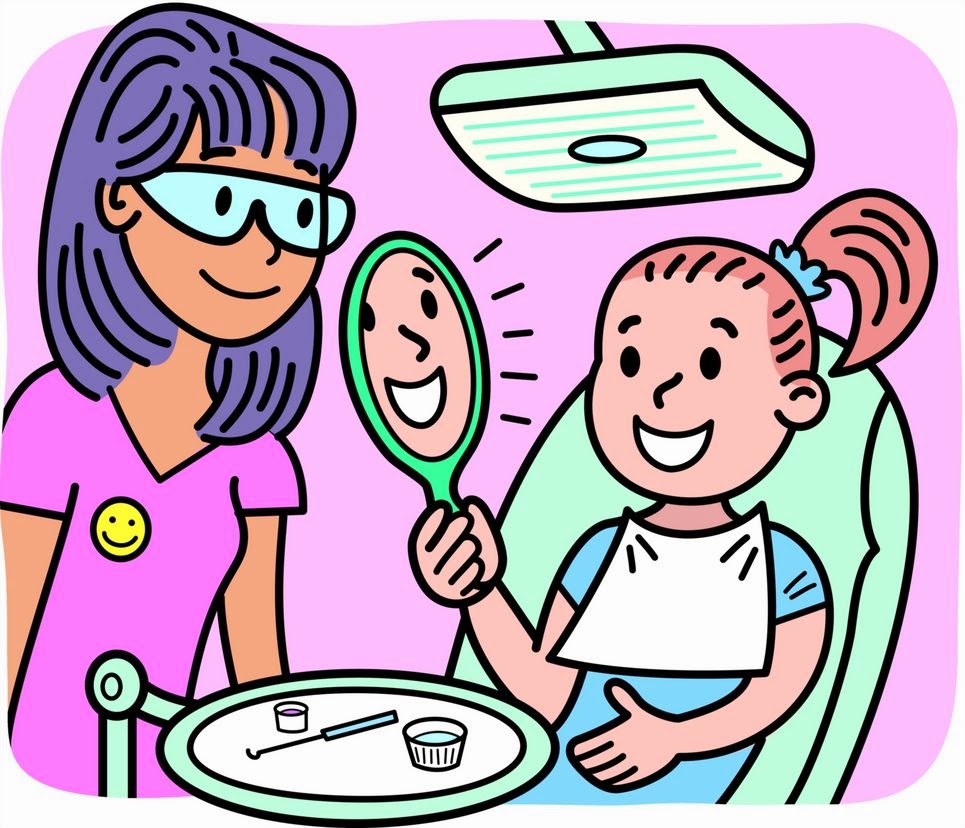
dentistry carton kids

The question normally asked by new parents is when should I bring my child to the dentist or when should I start brushing my child’s teeth?

Even before teething starts there are methods you should adopt to condition their little mouths such as cleaning after bottle feeds etc. There are some great products that can be used before their teeth are through such as oral wipes which clean the gums.

Shrikesh Kotecha of Smile Essential in Leicester recommends that as soon as the teeth start to come through introduce a soft baby brush on a morning and evening with just a small amount of child friendly toothpaste.

Ideally you should start taking your child to the dentist age one – take them with you when you go for your visit and it won’t cost a thing!  This is how dentist Shrikesh Kotecha has a head start on preventing problems before they happen which is better for your child than corrective action.

There are two points to look out for in your children’s first couple of teeth, not just their flashing grins!

Yellowing – Can suggest a build-up of plaque – get those baby brushes out and have your dentist take a look!

Chalky White/Patchy White – This could mean a lack of or poor enamel which means potential weakness… Again ask your dentist at Smile Essential to have a closer look.

Trust Me I’m a Parent

As a parent you may either love going to the dentist or hate it, whether it’s down to fear, inconvenience, bad experiences or how you were brought up to feel. Please, unless you love going to the dentist, don’t let those feelings rub off onto your little ones.

You should never bribe your child or threaten punishment when trying to persuade them to go if they don’t like it. You always have to think carefully about how you say things… Shrikesh Kotecha of Smile Essential in Leicester has compiled some Do’s and Don’ts below and we has also added how your child might interpret some of the statements you make.

Please do:

1) Tell your little one they are going to the dentist

Child’s interpretation – Oh OK, not been before but let’s go / Cool I’ve been there before, they have toys and a really nice lady there in that room with the comfy seats.

2) Tell them that the dentist will count their teeth

Child’s interpretation – Oooh I wonder how many teeth I have, how many do I need to make a full set?

3) Tell them the dentist will show them how to brush their teeth just like mummy and daddy do.

Child’s interpretation – I’ll be a proper grown up if I can just brush my teeth properly.

Please don’t:

1) Tell them you are taking them to the park just to get them in the car.

Child’s interpretation – There’s the park mummy, stop the car mummy, we’re here…Wait a minute, what’s this place, why is there an odd looking seat…I want to go to the park!!!

2) Tell them it’s OK to be frightened because you were too when you were little.

Child’s interpretation – That’s it, I’m definitely not going if my brave mummy/daddy were frightened because it must be bad!

3) Tell them not to be scared.

Childs interpretation- Why would you tell me not to be scared if there is nothing to be scared of…you must be scared…Nope, definitely not going!

4) Tell them it won’t hurt.

Child’s interpretation- Why would you tell me it wasn’t going to hurt, it must definitely hurt …you must have been hurt before…No! No! No! Definitely not going!!!! Cue Tantrum!

If you are nervous about coming to the dentist yourself then it may be best if you try to say nothing or perhaps see if a friend or relative can bring them in.

Have you awoken this morning with a headache?

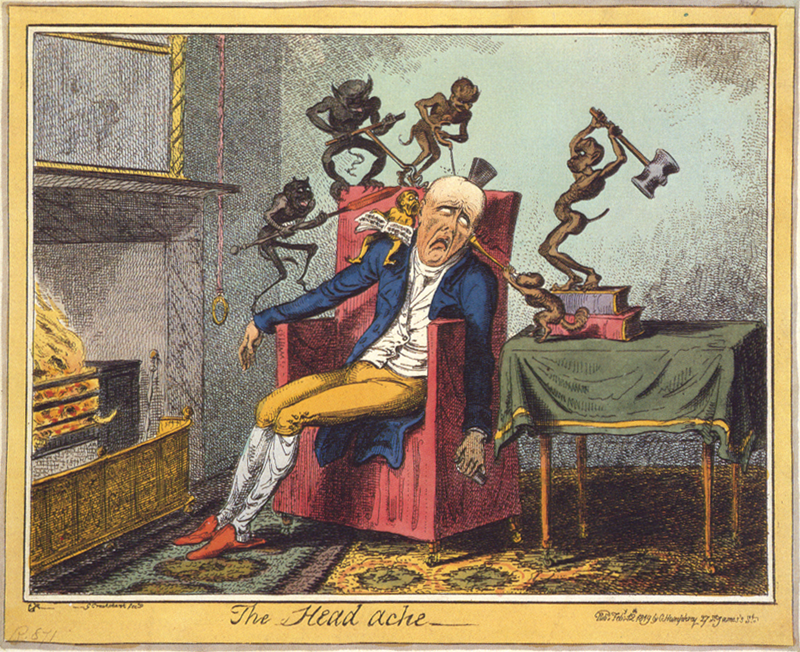
Cruikshank_-_The_Head_Ache

Did you know that 40% of all “Healthy” individuals suffer from headaches, facial and neck pain. Headache sufferers can be any age, from teens to seniors. The largest group of sufferers is women.

When individuals experience headaches, facial and neck pain, dentists generally aren’t the first professionals people think about. Headaches are a big problem for many people. Many treatments and medications are available for headaches too, just look at all the ads on TV.

But to treat a headache effectively it is best to know the cause of the headache in the first place. There are dental causes for headaches too. The types of headache dentists can help with are muscle strain or tension headaches, commonly felt in the morning, possibly with neck and jaw pain. This pain is caused by intense contractions of muscles around your jaws. These muscles even extend way up on both sides of your head (called the Temporalis muscles). Many people exhibit involuntary clenching and grinding of their teeth at night that can overload these muscles. This is a reflex action – feedback from the teeth causes even more clenching and pain. Dentists have traditionally fabricated a “nightguard”- an appliance that covers all the teeth on the upper or lower arch (similar to a sports mouthguard). It has a flat biting surface that lets the teeth slide so there is no grinding damage to teeth. But this will not stop the positive feedback cycle, the teeth can sense the jaws clenching, causing more clenching – a reflex remember?

So there is another type of appliance I have used successfully for pain relief called a ‘B Splint’. In short, it’s a nightguard that fits over either the upper or lower but the back teeth don’t touch and there is much reduced chewing muscle action. So these muscles are more relaxed and won’t be painful. And so the ‘B Splint’ may help eliminate the need for pain medication and solve your headache problem.

If you suffer frequently from headaches, facial or neck pain then be sure to mention it to your dentist at your next check up, alternatively get in touch to book a free mini consultation.

Tel- 0116 2891317   Email- info@smileessential.co.uk

The BDA Good Practice Scheme – What does it mean for you?

Smile Essential is a founder member of the British Dental Association (BDA) Good Practice Scheme and has recently been awarded Gold Membership. We are honoured to be within an elite group of 200 practices nationwide to achieve Gold Membership. Our commitment to excellent patient care and compliant practice management has been audited and approved by the BDA.

Shrik Kotecha has worked as a dentist at the practice for almost 10 years and has seen the practice evolve and grow to ensure that on top of the national regulations and protocols that are expected to be followed by all Healthcare Dental Professionals – including the CQC Guidelines – Smile Essential always goes the extra mile by following the BDA’s Good Scheme Code of Practice.

One question that his Leicester dental patients often ask him when they come to see him at Smile Essential is ‘what does it mean for me?’ A very valid question which Shrik thought would be useful to include in our regular blogs.

Good Practice Scheme members are committed to supporting patients towards achieving and maintaining good oral health. Achieving the best possible outcomes for patients depends upon the skills and professionalism of the whole dental team. Here is a statement that sums up what Good Practice Scheme membership stands for:

1. We will work with you to provide care that meets your needs and wishes. We will explain what we are proposing to do and tell you about any significant risks. We will explain options and cost so that you can make an informed choice about your care and we keep all information about you confidential

2. We look after your general health and safety whilst you are receiving dental care by undertaking risk assessments and managing any potential hazards at our premises. Infection control and cleanliness is also essential for safety and we follow current guidelines on preventing cross infection

3. All our staff are given training in practice procedures, staff members responsibilities are clear and staff take part in continuing professional education to keep their skills and knowledge up to date

4. Our practice working methods are reviewed regularly and we ask patients for their views on our service in order to identify any opportunities for improvement.


Goodpractice-Gold ribbon 2013

Life’s a journey

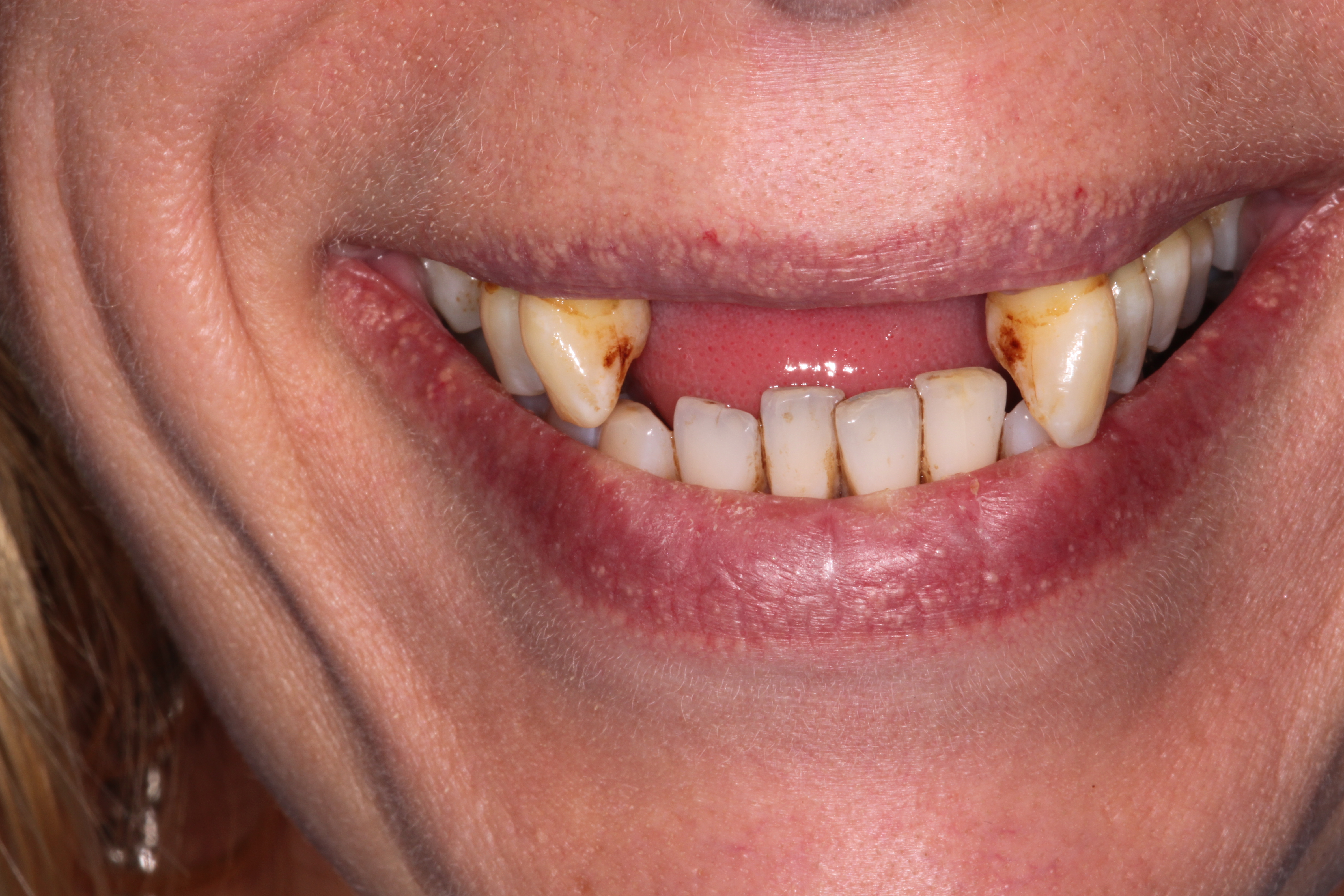
We wanted to share this lady’s journey at Smile Essential as there are so many people in a similar situation. Dental phobia is the most common reason for postponing visits to the Dentist and we hope her story helps you.

“I first came to Smile Essential last December. I had a real fear of the Dentist due to previous bad experiences. Niket was amazing and all the staff at Smile Essential Dentist made me feel calm, relaxed and really well looked after.”

“I had treatment to help with gum disease, I had to lose a couple of my top front teeth, but was fitted with a temporary false teeth. Today I have been fitted with a permanent bridge and am now a very happy, confident lady.”

“I can’t thank Niket and his team enough for all they have done for me.”

Mrs W, Leicester.

All of our Dentist believe that a beautiful smile starts with healthy foundations and any treatment that you wish to be carried out should last.

We have a lot of consultations with new people at Smile Essential wanting to improve their smile. Sometimes it’s simple tooth whitening, sometimes it can be a little more challenging. But we find breaking your treatment down in to small manageable steps helps this journey to become much easier.

If you are ready to take your first step with us and as Mrs W said become ‘happy and confident’. Get in touch with our friendly reception team and ask about our new patient consultation-

Tel- 0116 2891317   Email- info@smileessential.co.uk