

Patient Information
Extraction was an excellent experience!

I had to have a wisdom tooth removed today after having some trouble with it.
Shrik made the whole process an excellent experience, I felt totally at ease throughout having everything explained to me at every stage.
The extraction itself was handled beautifully and what could have been a daunting and difficult procedure turned out to be the exact opposite.
Many thanks to Shrik and all the staff at smile Essential Dental Practice.
Chris
Worried about coming to the dentist? Speak to a member of our friendly dental team about your fears and how we can help you to overcome dental phobia: 0116 2891317
6 things every teen should know about their teeth

A healthy smile is attractive and important when meeting people and making new friends. Being self conscious about your smile can shatter your confidence and seriously affect your selfie taking!
One of the big problems can be sneaking off to bed without cleaning your teeth properly or worse still skipping it completely. But what you will notice is:
- bad breath
- sticky yellow plaque on your teeth
- staining will accumulate on the teeth
If you constantly miss out on cleaning it could lead to problems below fairly quickly:
- tooth decay
- gum disease
- tooth loss
Once this happens it’s a visit to the dentist to get it all sorted out and probably a pretty mad mum and dad.
But theres more to taking care of your mouth then just cleaning your teeth. So what do you need to know? Here we’ve listed the top 6 things you need to seriously consider when you’re a teenager and what you can do to keep your breath fresh, teeth healthy and smile looking great.
 1) Healthy Diet
Whenever you eat anything sugary, your teeth are under acid attack for up to one hour. This is because the sugar reacts with the bacteria in plaque and produces harmful acids. Plaque is a build-up of bacteria which forms on your teeth, whenever you eat anything sugary this with plaque produces an acid which causes tooth decay.
What can you do about it?
Try to stick to meal times and avoid snacking, constant snacking means your teeth are constantly under attack. Limit the amount of sugary foods you eat and how often you eat them. Chewing a sugar free gum after eating is a good habit to start and the bonus is it taste great and will keep your breath fresh (your friends will thank you!).
 2) Ditch the sugary drinks
Switch from drinking sugary fruit juice drinks, fizzy drinks and energy drinks as these can all cause dental erosion as well as tooth decay. Dental erosion is the gradual loss of tooth enamel caused by frequent acid attacks.
Enamel is the whiter, hard, protective coating on the tooth surface. If it’s worn away then dentine ‘the yellowish part of your tooth underneath the enamel’ is exposed then they could look discoloured and become sensitive.
What can you do about it?
Drinking water and milk is best but if you’re used to drinking a large quantity of sugary or fizzy drinks you could find it hard. It’s always best to ditch the bad drinks straight away but if you struggle don’t give up!
Perhaps try just drinking the bad drinks with your meals then water all of the rest of time, carrying a bottle of water around with you. This will make this easier to keep you hydrated and less likely to drink the sugary stuff.
 3) Smoking, alcohol and drugs
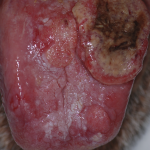
We all know of the dangers of smoking and lung cancer but smoking seriously impacts your teeth and your breath. It can also cause tooth staining, gum disease, tooth loss and mouth cancer. The signs of smoking on your teeth are so obvious the dentist will recognise them straight away.
Cases of mouth cancer are steeply rising, it used to be a disease associated mainly with older men but over recent years with more males and females drinking the age is getting younger. Mouth cancer is mostly associated with bad lifestyle choices, being a smoker, drinking and a poor diet significantly increases the likelihood of you suffering from this type of cancer.
Alcohol can also increase the risk of tooth decay and erosion. Some alcoholic drinks have a lot of sugar in them, and some mixed drinks may contain acids. So they can cause decay or dental erosion if you drink them often and in large amounts. Also after a heavy night of drinking you could be sick further increasing the problem with dental erosion.
Illegal drugs can lead to a range of health problems. Smoking cannabis can have the same effects as smoking tobacco. Other drugs can cause a dry mouth and increase the risk of erosion, decay, gum disease and bad breath. Drugs can also cause you to grind your teeth, which can cause headaches and other problems.
What can you do about it?
Just don’t do it! Invest your time into something else and be active in trying to get your friends to spend time doing safer activities like bowling, cinema or concentrate on sports.
 4) Blinging it up
Sparkly tooth jewels involves sticking small jewels onto the teeth using dental cement, if done by a dentist this can be done safely. However most aren’t done by a dentist and when they come away can cause the enamel to break away with it resulting in you having to have a filling.
You also need to keep the area around the jewel clean, as plaque can easily build up around it and you will be more likely to get tooth decay.
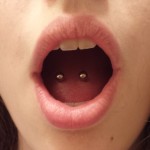
Mouth piercings can cause all sorts of problems and we see them often at the dentist. The main issue we see is that the the piercing causes the teeth to chip, this is often due to people playing around with their piercing. But the other dangers are:
infection
swelling of the tongue
the tissues around the piercing can become inflamed
blood infections
it can be difficult to talk, eat and swallow
dental treatment could be difficult.
What can you do?
Avoid mouth piercings at all costs and if you do decide to have tooth jewellery then get a trained dentist to do the procedure.
 5) Seriously consider braces
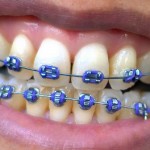
If you’re unhappy with how your teeth look because they are crooked or stick out, then perhaps speak to your dentist about your options they might be able to refer you to an orthodontist (brace specialist) for treatment. There are a number of benefits to having straighter teeth the main one being that your teeth are easier to take care of and you’ll be less likely to have problems with tooth decay and gum disease in the future.
The orthodontist will assess your teeth and advise on any treatment. Not everyone qualifies for treatment under the NHS but if you do then you could have the treatment cost covered. Adults don’t qualify for brace treatments under the NHS so if you decided later to get your teeth straightened it could cost you anything from £2000-£4000.
What can you do about it?
Speak to your mum and dad about your concerns and this will help you to have a chat with your dentist at your next dental check up appointment.
 6) It’s a knockout
The most common cause of tooth loss in teenagers is from getting injured whilst playing sports. Playing any contact sport or sport involving moving objects could cause broken, damaged teeth and even a broken or dislocated jaw.
What can you do about it?
Wearing a mouthguard will help to protect the teeth. There are lots of different options available online but having one fitted by your dentist means it will fit properly around your teeth, feel better and give you peace of mind.
If you have any questions about taking care of your teeth or are concerned about your oral health then give our friendly team a call on 0116 2891317 or email your question in.
Could your teeth be giving you a headache?

We don’t often think about the way our teeth meet together, through this action we are able to chew and chew hundreds of time a day. The proper term for this is called dental occlusion referring to the way your teeth meet when your jaws bite together.
If your teeth don’t fit together properly it can cause you all sorts of problems and not ones just related to your teeth. Problems with your jaw is a common cause of headaches and can be exasperated if you are clenching or grinding your teeth, which often occurs with the daily stresses of life.
Up to 1 in 4 people can display symptoms related to jaw issues. Women and men are both equally affected, although women tend to ask for treatment more often than men.
TMJ
The TMJ which stands for the ‘temporo-mandibular joint’, is the joint that’s responsible for connecting your lower jaw and your skull. This movement allows your joint to open and close your mouth and chew from side to side.
Headaches,clicking, grinding or pain in your jaw joints, ringing or buzzing in your ears and difficulty in opening or closing your mouth could all be due to your teeth not meeting each other properly.
Headaches
If your jaw is in the wrong position, the muscles that move the jaw have to work a lot harder and can get tired. This leads to muscle spasm. The main symptoms are continual headaches or migraine, especially first thing in the morning; pain behind your eyes, sinus pain and pains in your neck and shoulders. Sometimes even back muscles can be involved.
How can I tell if I have a problem?
Lots of people don’t necessarily have the perfect bite due to imperfect occlusion and missing teeth, yet they might not display any symptoms because they adjust to their problems. Occasionally, in times of increased stress and tension, the symptoms may appear and then go away immediately.
Other things to look for when trying to establish whether you have a TMJ problem:
flattened, worn teeth
broken teeth, fillings and crowns
loose teeth
continual sensitivity of your teeth to temperature change
toothache with no apparent cause
Clenching and/or grinding your teeth can also add to the problem, although most people who do this aren’t aware of it. It can be a good idea to ask your partner if they have noticed you doing it.
Clenching and grinding can be caused by stress and anxiety, however most of the time people clench their teeth because they are concentrating on a task.
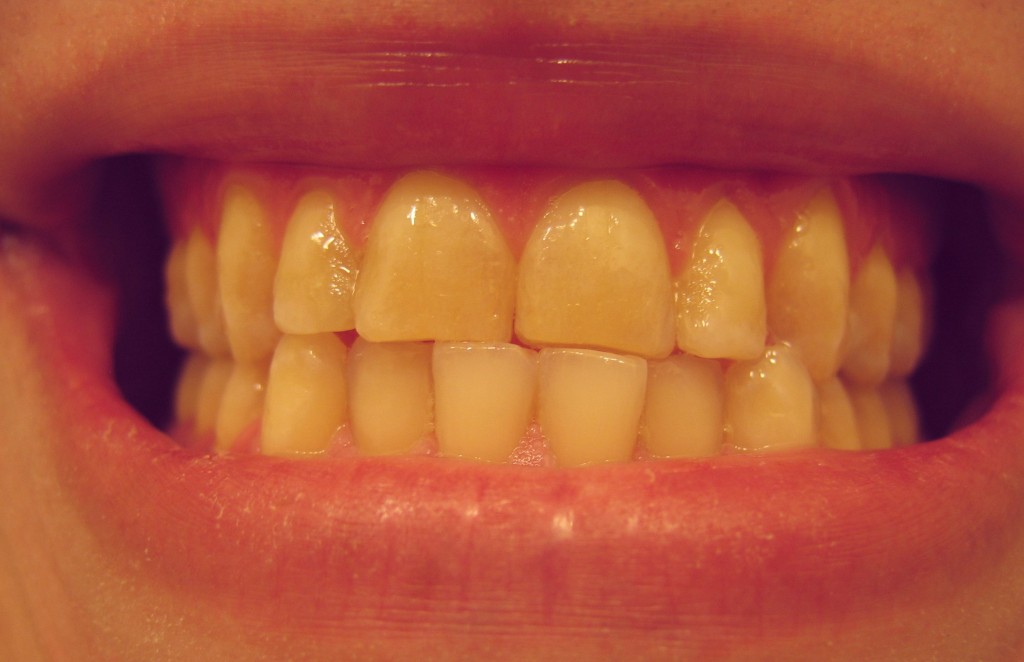
You may wake up in the morning with a stiff jaw or tenderness when you bite together. This could be due to clenching or grinding your teeth in your sleep. The majority of people who grind their teeth do it while they are asleep and may not know they are doing it.
If you suffer from severe headaches, or neck and shoulder pain, you may not have linked this with possible jaw problems. Or you may keep having pain or discomfort on the side of your face around your ears or jaw joints or difficulty in moving your jaw. These are all symptoms of TMJ problems.
How are occlusal problems treated?
Treating TMJ problems really depends on the symptoms you’re having, it can be possible to spot the signs of an occlusal problem.
At Smile Essential Dental Practice we review this at every dental health check carrying out an examination of your TMJ and looking for evidence of wear on the teeth. Various muscles may be sore when tested, or the broken and worn areas of your teeth will show you are grinding your teeth – a common sign of an incorrect bite.
Treatments
Mouthguard: If your symptoms are due to an incorrect bite, then you may benefit from wearing a mouthguard to improve the problem. This appliance needs to be measured and fitted very accurately so that when you bite on it, all your teeth meet at exactly the same time in a position where your muscles are relaxed.
Equilibration: Tooth adjustment may be necessary on your teeth may carefully adjusted to meet evenly. Changing the direction and position of the slopes that guide your teeth together can often help to reposition the jaw.
Replacement of teeth: If you have missing teeth this may mean that your teeth and jaw aren’t balanced and could be the cause of your problem. Replacing missing teeth with either with a partial denture, bridge or implants could relieve your symptoms.
Diet: if you are experiencing symptoms it’s advisable to stick to a soft diet avoiding any heaving chewing or opening too wide such as when you bite into an apple or pizza.
Exercise: Just as physiotherapy exercises can help other joint issue in the body it can often help with TMJ issues. If we feel this would benefit you we will demonstrate some of these to you and given you a written exercise sheet to perform.
Relaxation: if you are constantly grinding or clenching your teeth due to life stresses it’s a good idea to try and resolve these and take some time out for rest and relaxation.
Teeth straightening: If your teeth are too far out of line or in a totally incorrect bite position, you may need to have an orthodontic appliance (brace) fitted to move them into a better position.
If you are concerned at all about TMJ issues or frequently suffer from unexplained headaches then please do speak to us. Your dentist will be able to carryout the necessary test and propose a treatment to help relieve your symptoms.
Naughty Toffee
Meet Sophie…

Meet Sophie one of our newest team members at Smile Essential Dental Practice. Sophie is a really happy character and although she is one of the newest team members she has become an integral part of the Smile Essential team.
Sophie is always willing to go the extra mile and recently took part in our National Smile Month campaign pictured above.
People visiting our dental clinic are met by Sophie’s warm smile (not the one in the photo!) and relaxed by her gentle nature, ensuring your trip to the dentist is smooth from start to finish.
Meet Sophie…
When did you join the Smile Essential team: Monday 13th April 2015
Tell us a bit about yourself: I am very outgoing person and love to socialize with different kinds of people. I love going to restaurants, shopping and spending time with my family and friends.
Your role: Receptionist
Favourite part of your Role: I really enjoy meeting new people and chatting to patients
Least favourite part of your job: Getting out the record cards we need for appointments!
What do you like about being part of the Smile Essential team: Working as part of a team, I love the team spirit of Smile Essential.
What do you like about working in dentistry: Seeing patients achieve something they have always wanted, seeing their confidence grow and being privilege to be involved in the journey with them.
When you were little what was your dream job: Being a police officer.
Do you have any pets: Yes, a ginger dog called Saffron.
Favourite film: A Cinderella Story.
Favourite TV programme: TOWIE, Keeping Up With the Kardashians and Ex On The Beach.
How important do you think a good smile is: Very important, it really improves your appearance and your confidence as a result.
Why is good dental health important: Dental health is very important. Not maintaining good dental care can cause you a lot of problems and could lead to you having pain. It’s also very important for your own general health to keep your teeth, mouth and gums healthy.
How important are regular dental health visits: Regular dental health visits are very important as going to the dentist regularly will make sure your teeth are kept on top of and it will prevent any problems in the future.
Overdue your dental health check? Sophie is ready to take your call 0116 2891317
How to beat the battle of bad breath
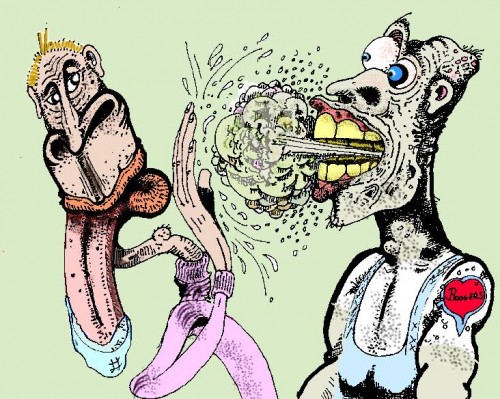
Ok so at some point in your life it’s likely that you have suffered from bad breath, for the majority it can be a simple case of morning breath and easily cured. But what about if bad breath is a frequent problem? Bad breath can seem like minor issue however if it stops you from speaking confidently, makes you keep people at arm’s length, then it can make you feel bad about yourself turning into a problem that affects you everyday of your life.
Here we look into bad breath in more detail, what causes it, what factors affect or contribute towards it and what can you do to cure and prevent it.
How can you tell if you have bad breath?
You might be familiar with the bad breath test, simply licking the back of your hand and having a good old sniff is the most socially acceptable way.
Or you could ask a friend or family member to give you some honest advice.
If you notice people turning the cheek when they kiss you or stepping back when you talk it could be a sign that you have bad breath.
What are the causes of bad breath?
Firstly as we started at the start bad breath is likely to affect us all at some point in our lives and it is a very common problem.
There are many causes of bad breath and it’s important to understand the different causes.
The most common causes of bad breath are:
- Persistent bad breath is usually caused by the smelly gases released by the bacteria that coat your teeth, gums and tongue. Usually this happens when you aren’t cleaning your mouth effectively.
- Food that gets trapped between the teeth and on the tongue will rot and can cause an unpleasant smell. Strong foods and drinks such as coffee and garlic and onions can cause or add to the problem of bad breath.
- Lifestyle choices i.e. smoking will cause bad breath not to mention the other health issues.
- Gum disease, over time not taking proper care of your mouth could lead to gum disease. It’s important to get a proper assessment form your dentist.
So taking care of your dental hygiene is clearly very important in the battle against bad breath to brush your teeth correctly and regularly. This will help keep your breath smelling fresh.
The bacteria on our teeth and gums (called ‘plaque’) also cause gum disease and tooth decay. One of the warning signs of gum disease is that you always have bad breath or a bad taste in your mouth. Again, your dental team will be able to see and treat the problem during your regular check-ups. The earlier the problems are found, the more effective the treatment will be.
Other causes of bad breath aren’t so common but perhaps your bad breath could be the caused by a medical condition.
Xerostomi or as it’s commonly know “dry mouth’ is a condition that means your mouth produces less saliva. This causes bacteria to build up in your mouth and this leads to bad breath. Dry mouth may be caused by some medicines, by salivary gland problems or by continually breathing through your mouth instead of your nose. Older people may produce less saliva, causing further problems.
Other medical conditions that cause bad breath include infections in the throat, nose or lungs; sinusitis; bronchitis; diabetes; or liver or kidney problems. If your dentist finds that your mouth is healthy, you may be referred to your family GP or a specialist to find out the cause of your bad breath.
If you suffer from dry mouth, your dental team may be able to recommend or prescribe an artificial saliva product. Or they may be able to suggest other ways of dealing with the problem.
How can we help?
We monitor at your regular dental health checks for any areas where plaque or food is caught between your teeth.
If you have bad breath, you will need to start a routine for keeping your mouth clean and fresh and we will show you the best way to clean your teeth and gums and generally keep your mouth healthy.
Whilst soft plaque can be removed at easily at home with a good dental routine, it is common to require additional cleaning twice a year to remove hard plaque deposits known as calculus or tartar. This will ensure that your breath stays feeling fresh and your dentist will advise any tricky areas to concentrate your cleaning on that you may be missing during your home care routine.
Preventing bad breath
To keep your breath fresh you must get rid of any gum disease and keep your mouth clean and healthy, this will help you keep nice, fresh breath.
If after this you feel that bad breath is still a problem then try keeping a food diary of everything you consume including drinks and note any days you feel you suffered from bad breath. This can you to identify any links or alternatively bring it into your dentist and they may be able to make some suggestions that will solve your problem.
Brush your teeth and gums last thing at night and at least one other time during the day, with a fluoride toothpaste. Don’t forget to brush your tongue as well, or use a tongue scraper. Cut down on how often you have sugary food and drinks.
The perfect routine:
Visit us as often as we recommend. The frequency that you visit us here at the dental practice varies significantly from person to person. Some people may need to come and see us at the dentist every 3 months, others 6 months and some once a year.
Clean in between your teeth with floss or interdental cleaning aid such as interdental brushes at least once a day before brushing your teeth. In-between your teeth accounts for a 1/3 of your teeth surfaces not doing so is equal to not brushing for 2 days a week!
Brush all teeth as recommended by your dentist.
Use a mouthwash – some contain antibacterial agents that could kill bacteria that make your breath smell unpleasant.
If you continue to suffer from bad breath come and visit us to make sure that there isn’t a more serious underlying problem.
Maxine was a nervous patient…
Introducing The Wand
None of us like to have injections but for some it can be the thing that keeps them away from the dentist usually until they experience incredible pain and can’t take it any longer.
But now there’s an alternative and its called The Wand. The Wand painless injection system was developed to replace the traditional syringe in dentistry.
As much of a revolution as an evolution, this computer controlled anaesthetic delivery system is a logical progression from the syringe which has seen little change since its invention more than 150 years ago.
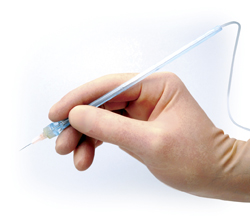
With The Wand, dentists can bring one of dentistry’s last remaining antiquated designs into the 21st century.
When it comes to going to the dentist you might not look forward to that appointment. However The Wand makes the visit easier and the experience of dental treatment more comfortable for you and your family.
What can you expect with The Wand?
The first thing you can expect is to smile as The Wand is a computer unit and looks like a modern piece of equipment, unlike an old fashioned syringe
You’ll notice that your dentist will look more comfortable using The Wand handpiece, as it is simply held like a pen.
You might not even know you’ve had an injection – that’s what some patients say – “When are you going to do it?
Your dentist might choose to numb up just one tooth. There will be no numbness of the tongue, cheek or lip. You return to your routine able to drink and smile.
You can expect to be so happy that you tell all your friends and neighbours about your great experience at the dentist.
How does it work?
The Wand uses a small hand piece that looks like a pen.
The Wand gives a supply of anaesthetic in a slow comfortable manner.
The Wand uses a unique new technology, which is unlike any other.
The Wand works at a low pressure and a slow rate that gives an improved anaesthesia.
The Wand works more effectively, resulting in a more pleasant experience
Interested? Then get in touch or speak to your dentist about using The Wand system today.