Frequently Asked Questions

Why Join a Dental Plan?

dental plans

We understand the importance of being able to provide affordable dental care, with the ever increasing cost of modern day living it’s easy to let your health slip. Your 6 monthly dental check up slips into 7 months, then 8 and before you know it it’s been a whole year since your last dentist visit and your mouth is feeling icky.

Smile Plan our practice membership plan offers a simple way to pay for your regular dental care for the same price as your monthly TV license direct debit. Smile plan membership provides you with a comprehensive programme of maintenance, your regular dental health checks are covered, as are x-rays and 2 hygiene appointments to provide a full mouth clean and maintain gum health.

You’ll save significantly if you need to have any dental treatments as our members can also take advantage of a 15% discount on a wide variety of treatments including dental crowns, dental onlays, dental veneers, tooth coloured fillings, extra hygiene appointments and much more.

So whats the BIG benefit of joining the membership plan?

Patients that attend regularly tend not to need as much dental treatment. During your dental health check the dentist will advise you on any areas that they would like you to pay closer attention to as to avoid treatment. Being proactive when it comes to your dental health is important, if keeping your teeth is important!

There’s so many extras included!

The main benefits you will receive will be-

Six monthly dental health checks
X-rays
Six monthly hygiene appointments
15% discounts on most treatments including treatments for cosmetic reasons

The bonus benefits-

Worldwide dental trauma insurance
Emergency callout insurance, should you need a dentist in an emergency anywhere in the world
Redundancy protection for 12 months

And it’s all at the great price of just £12.99 a month

This membership is open to all existing patients that may want to budget for their dental care and take advantage of all of the benefits of smile plan.

It’s also open to new patients following a new patient consultation, if you require some dental treatment then you can take advantage of the 15% discount straight away!

How do I pay my membership?

Most patients choose to set up a direct debit that way they don’t have to worry about renewing and at £12.99 a month it’s a nominal amount for receiving first class private dental care. Though we do tailor payment methods to your individual needs so feel free to discuss your preference with a member of our team.

Signing up is easy we just need your bank details and a signature.

Sounds great? Click here to email the team and take care of your dental health for just £12.99 a month

Why do teeth crack?

Are you worried that you might have a cracked tooth? Signs of having a cracked tooth can be hard to spot but symptoms could display themselves as pain on chewing, especially when you release the biting pressure. Sensitivity to extreme temperatures such as a very cold drink or ice-cream may cause discomfort. Or sensitivity to sweetness with no sign of decay.

Why do teeth crack?

Teeth can crack for lots of different reasons, such as:

Extreme tooth grinding, which can put the teeth under enormous pressure

Large fillings that weaken the tooth

Chewing on hard things like toffees, boiled sweets, fruit stones or meat bones.

An injury such as a blow to the chin or lower jaw.

Gum disease that involves bone loss. This could make the teeth more likely to suffer from root fractures.

Sudden changes in mouth temperature. Some people have funny habits such as chewing on ice!

Can I stop my teeth cracking?

Not always but there are some precautions you can take, such as wearing a mouthguard if you know that you grind your teeth at night. Or wearing a custom-made sports mouthguard if you play sports. Also avoid biting or chewing on very hard objects such as ice or very hard nuts.

Teeth can crack in different ways and they don’t always need treatment

Split tooth: This is often the result of an untreated cracked tooth. The tooth splits into two parts. Vertical root fractures are cracks that start in the root and go up towards the biting surface.

Cracked tooth: This is when a crack runs from the biting surface of the tooth down towards the root. Sometimes it goes below the gum line and into the root. A cracked tooth is not split into two parts but the soft, inner tissue of the tooth is usually damaged.

Craze lines: These are tiny cracks that affect only the outer enamel of the tooth. They are common in all adult teeth and cause no pain. Craze lines need no treatment.

Cracked cusp: The cusp is the pointed part of the biting surface of the tooth. If a cusp becomes damaged, the tooth may break. You will usually get a sharp pain in that tooth when biting.

Do I need to see my dentist?

Yes it’s important to see your dentist as soon as possible, the sooner you seek treatment the more effective it could be.

What could happen if I don’t seek treatment?

If left untreated a cracked tooth could lead to the nerve of a tooth dying and an abscess might grow. The tooth could need root canal treatment or even taking out. In severe cases the tooth can actually split in two. If this happens your dentist will not be able to save the tooth and it will need to be taken out.

How is a cracked tooth fixed?

The type of treatment depends on the type of crack and it’s severity. Treatments that can be done include:

Dental filling- depending on the severity and depth of a cracked tooth a filling may be suitable.

Dental bonding- this is when a plastic resin is used to fill the crack.

Cosmetic contouring- if the chip is very small then it may be possible to round off the rough edges and polish the tooth to blend away the crack.

Onlays and crowns- these are strong coverings that go over the tooth making it stronger and giving your tooth the appearance of a natural tooth. If the nerve has been damaged and becomes infected you may need to have root canal treatment first.

Extraction- if left untreated or the crack is severe then the only option may be to have the tooth removed.

If you are concerned that you may have a cracked tooth then seek treatment from your dental practitioner.


Dr Shrikesh Kotecha straightens out the truth about adult braces

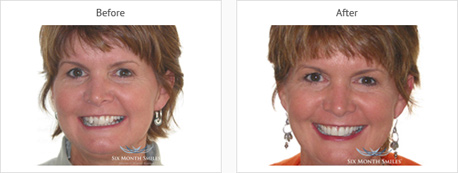
six month smile brace before picture

Adults having braces is becoming increasingly common. Mums and Dads are seeing the massive benefits of having a nice, straight teeth and are going through orthodontic treatment with their teenagers.

But with so many options available to patients to improve their smile and straighten their teeth, it can be daunting to know where to start.

shrikesh_b


Here we interview Dr Shrikesh Kotecha of Smile Essential Dental Practice in Leicester to try and shed some light on the subject:


Why do you think more adults are having brace treatment?

“During the last five years a number of cosmetic brace systems have become available specifically designed for adults who have lived with crooked or overlapping teeth or even spaces/gaps between their teeth which can now be corrected in as little as four months without the stigma sometimes associated with metal or ‘train-track’ braces.”

What options are available to straighten people’s teeth?

“A number of options are available including cosmetic braces and clear aligners along with more traditional braces and treatments such as crowns and veneers.”

Which is better veneers or braces?

“I always believe that any treatment that is more conservative is always the better option for a patient. Treatments such as veneers can be carried out in certain clinical situations for example, to help to mask a discoloured (or is it discolored) tooth. As a profession there has been an emphasis on minimally invasive dentistry and I feel that providing brace treatments goes hand in hand with that ethos.”

Is it expensive?

“No, with advances in technology with things such as Six Month Smiles braces treatments are affordable for everybody. We also offer a number of 0% interest free flexible payment options too.”

Is there a health benefit to having straighter teeth?

“Yes, there is a significant health benefit to having straighter teeth- they are easier to clean and look after from a patient’s perspective, there is a lower risk of dental disease such as tooth decay and gum disease.”

How long does the treatment take?

“Cosmetic brace treatments with Six Month Smiles usually take between 4 to 9 months with an average treatment time of 6 months. To put that into context, if you had a Six Month Smile brace fitted today by the time of your next dental check up your treatment would probably be complete with nice straight teeth!”

Thanks Dr Shrikesh Kotecha for answering the questions. If you have any questions we would love to hear from you please connect with us on facebook or twitter.

Interested in improving your smile? Then you might find one of the following options useful:

Find out more about Six Month Smiles

Affordable Flexible Finance Options

Read about Dr Shrikesh Kotecha

Book an appointment with Dr Shrikesh Kotecha by calling Smile Essential on 0116 2891317 or contact us by email.

Six-Month-Smiles

Sensitive Spot?

We can all suffer from sensitive teeth at some point in our life from a mild twinge to an electric shock when eating ice-cream. But what causes sensitivity? Lots of things can cause sensitivity but generally sensitive teeth tends to be more common in older people, generally happening over the age of 30.

What causes the feeling of sensitivity?

Covering your teeth is a hard outer shell called the enamel, enamel is the hardest substance in your whole body! It covers the whole of the tooth above the gum level but underneath that the tooth surface is different and not as tough this is called the dentine.

Dentine has tiny tubes called ‘tubules’ that lead to the nerve and are filled with fluid. These are like pathways to the nerve of the tooth, telling them ‘ouch’.

Eating or drinking things that are hot, cold and sometimes sweet can cause a chemical change. This change can trigger what a nerve reaction which you experience as sensitivity.

https://youtu.be/clftmnUMMPQ

How the dentine becomes exposed?

Brushing- bad brushing techniques like scrubbing the teeth can cause the gums to recede and expose the dentine.

Gum Disease- Gum disease (known as gingivitis) causes inflamed and sore gum tissue.  A sign you might be at risk of gum disease is if your teeth bleed when you brush. If left untreated gingivitis can cause the gums to recede causing sensitivity.

Acidic foods- If the pathways to your nerves are exposed then you might be surprised to find your teeth being sensitive to things like citrus fruits, pickles, tomato sauce, grapefruit, kiwi, and vinegars.

Whitening Toothpastes- Sometimes some of the tooth whitening pastes and polish are too abrasive. They are supposed to work by rubbing away surface stain. But this can also lead to rubbing away the enamel (which is the whitest part of the tooth) and exposing- yep you guessed it more dentine. Dentine is actually much darker than enamel so you could find that using these toothpastes your teeth actually become more darker.

A Cracked Tooth- When there is a crack in the tooth then everytime you eat or drink there is a direct path to the nerve of your tooth. This will require advice and treatment from your dentist.

Tooth Decay- dental decay will eat through the enamel and the dentine of the tooth exposing all of the dentine tubules and saying ouch probably every time you eat, drink or chew.

How to manage sensitivity

Step 1

Regular flossing and brushing your teeth as instructed will help to make your feel healthy all the time so you are less likely to feel that your teeth need ‘a good scrub’. Following this hygiene routine you prevent the risk of over brushing and the risk of gum disease.

Step 2

Use a toothpaste suited your needs. Using a toothpaste specially formulated for sensitivity will help to alleviate the symptoms of sensitivity. All sensitive toothpastes work in different ways so if you find one that works stick with it if you dont then try another for 2 weeks.

Step 3 

Follow the instructions on the toothpaste and mouthwash! Nobody ever read the instructions on toothpaste boxes right? We know because a large amount of patients we see will rinse out after using the toothpaste and a lot of sensitive toothpastes ask you not to.

Step 4

Always use a soft or medium toothbrush, hard toothbrushes are unnecessary and just work at brushing away your gums. Using an electric toothbrush such as a Philips Sonicare toothbrush will limit your chances of overbrushing.

Step 5 

See your dentist for regular check ups. They can check the most likely cause of sensitivity and advised you on areas that you may be over or under brushing. They’ll also instruct you on the best dental hygiene routine is and advised you on sensitivity.

If your sensitivity is extreme and persists no matter what you do see your dentist for an evaluation. They will be able to check the cause offer some guidance and reassurance. There are also treatment available at your dentist they may offer if you have tried all of the at home solutions.

Have a questions about sensitivity and would like some help? Get in touch with our friendly team by clicking here.

Interview Exclusive With Dentist Dr Niket Patel…

Interview with the dentist Nik PatelHow long have you been a dentist for? I’ve been a dentist for 17 years.

Do you enjoy being a dentist? I love being a dentist. I’m very passionate about dentistry.

What do you love about being a dentist? Having the knowledge and skill to transform people’s teeth so that they can smile with confidence. To change peoples misconception about the dentist, to take the fear out and be able for them to regain their confidence and faith back with dentist.

You said you have been a dentist for 17 years, have you seen many changes over that time? I have seen many changes over the last 17 years . One of the biggest changes in dentistry was the introduction of the new NHS contracts back in 2006. This contract has changed the way dentistry is delivered in the UK.

There have been revolutionary changes in equipment, materials and knowledge of dentistry. We are able to carry out dentistry in a more predictable way (evidence based dentistry) and with far better cosmetics.

Whats your favourite dental treatment and why?  My favourite type of treatment is a smile makeover. I have been on many courses around the country and learnt from some of the best in the world. I have attended courses by Newton Fahl – a world renowned cosmetic dentist –he taught me how to create beautiful teeth by using a composite material. Pascal Magne-another world authority on cosmetic dentistry- taught me how important it is to preserve tooth structure-one of his lectures was on ‘No crowns or posts’-this has changed the way I do dentistry. I am more conservative in my approach now.

What do you enjoy doing outside of dentistry?

Outside of work I’m happily married to a chemist called Pinky and we have 2 wonderful daughters Mishka and Hana. I’m passionate about eating food and cooking, my favourite thing to cook is a roast chicken.

If you weren’t a dentist what would you be doing? I would be a chef-travel the world, trying different cuisines and publish a recipe book.

Whats your favourite type of food? I enjoy Thai and Italian but would give anything a go!

Do you have any pets? Not allowed any-wife’s orders!!! Would love a dog.

Thanks Dr Niket Patel for answering our questions.

If you have any questions we would love to hear from you please connect with us on facebook or twitter.

To find out more about booking an appointment with Dr Niket Patel please click here.

What if we did have a magic wand?

Have you heard of the Dental Wand Injection? It’s a new pain free way of giving dental anaesthetic. The way the dentist has given dental injections hasn’t really changed over the past couple of centuries. But now sweeping the country is ‘The Wand’ it’s a pain free, modern alternative to traditional injections.

The method currently being used to give anaesthetic can mean large needles and applying some pressure but with the wand it delivers anaesthetic is a much friendlier method and it’s a high-tech alternative using a computer-controlled needle. The computer decides how much micro-pressure to apply without having to use force to get the anaesthetic into the gum. The needle is also a lot smaller, it actually looks like a wand and the anaesthetic doesn’t last as long.

For nervous patients ‘having an injection’ can be the worst thing for them, but now we at Smile Essential Dental Practice are able to offer our Leicester patients this high tech alternative. It will really help to make whats already a scary journey that bit easier for them.

The reports we have had from patients so far have been fantastic and we have been using the wand on patients that aren’t nervous too. The feedback with had is that they haven’t felt a thing.

So we guess the wand really is magic.

If you’re nervous and would like to find out about the wand then please get in touch with us on 0116 2891317 or drop us an email.

6 Tips on having the perfect smile for your wedding

wedding tips on smiling

So your wedding day is fast approaching and you will be posing for literally hundreds of photos and probably a video or two on your wedding day. How can you flash your best smile in every one? Apparently it just takes a little practice. The ideal smile is one that shows the upper teeth and not too much of the gums. Examine your smile a couple of months before your wedding, and give these tips from Martha Stewart weddings a try

1) Tilting your head to one side as you pose. Most people don’t have perfect symmetry to their faces or smiles, your smile may be more flattering if you’re not facing the camera straight on. Look at photos of yourself and study the ones you like in order to see which angle best accentuates your smile. Remember practice makes perfect and smiling often can never be a bad thing!

2) Smile with your teeth slightly parted, about one pinky-finger-width apart, says New York cosmetic dentist Jeff Golub-Evans. “If your top and bottom teeth aren’t separated, your smile can look forced. This trick will help it seem more natural.”– we think that this is a top tip!

3) Running your tongue over your front teeth to moisten them just before the picture is snapped. All that smiling will make the teeth dehydrated and dull, so lick or sip some water to sparkle.

4) Try and wear a creamy lipstick that has some shine to it. It will reflect light and make your smile look brighter, a matte formula will absorb light and may look too dark.

5) Practice your smile in front of the mirror each day, pay attention to how much of your teeth you show, says New York City cosmetic dentist Lana Rozenberg. When you find the most complimentary look, keep practicing until you can do it without thinking.

6) This tip from New York City photographer John Dolan suggests you keep moving while being photographed so you’ll look natural in wedding portraits. Holding the same pose for every shot can make your expression appear stiff so move around a little.

dentist advice form


What Smart People Know About Wisdom Teeth…

wisdom tooth advice at smile essential dental clinic


Just how did wisdom teeth get their name?

Are they smarter than the rest of your teeth? Well wisdom teeth, or third molars, can be seen all the way at the back of the jaw. They are called wisdom teeth because they are the final teeth to develop. Third molars have been called the ‘teeth of wisdom’ since the 17th Century and later in the 19th century it evolved to just ‘wisdom teeth’.

Generally wisdom teeth appear between the ages of 17 and 25, the age where people reach adulthood, it is thought that they are called as such because they appear during the age when a person is much “wiser” than when the other teeth have erupted. We can see that the eruption of the wisdom teeth is a sign that you have gone way past the carefree days of being a child and you have entered the realm of responsible adulthood. Most adults have four wisdom teeth. However, it is also natural to have fewer. 

Why do we have wisdom teeth?

Having wisdom teeth were once extremely useful, but now, it serves a little purpose because of the change in our dietary needs. As time went on, our eating habits have also changed. Coarse food was once in our diet, which caused teeth to wear down. As the teeth take up lesser space in the jaw over time, they were forced to work harder and develop a larger bone. This instance created room for the wisdom teeth in the mouth for them to come in. Nowadays, processed food and modern changes in dentistry made the wisdom teeth less important because of the reduced wearing down of the teeth, causing less space in the jaw for the wisdom teeth to be accommodated.

Will I need to have the wisdom teeth taken out?

No, if there is enough room they will usually come through into a useful position and cause no more problems than any other tooth. Once wisdom teeth were taken out routinely now dentists try to leave them alone if they aren’t causing frequent problems.

Will it hurt when the wisdom teeth come through?

Sometimes there will be some slight discomfort as they come through, but this is only temporary and will disappear once the tooth is fully in position. Often the teeth can move a little then stop for a  few weeks or several months then come through a little more, causing temporary discomfort. Food and plaque trapping around the wisdom teeth is another common problem which can cause discomfort but with thorough toothbrushing and a good mouthwash this can keep problems at bay.

Remember if you have any concerns about your wisdom teeth and if you are cleaning them properly or worried that they may need to be removed then speak to your dentist.


We do, do you?

flossing advice from leicester dental clinic

I brush my teeth well so why should I floss?

A question you probably hear at every dental health check is ‘are you flossing?’ usually followed by a pause, then a confession.

But why floss? Proper flossing removes plaque and food particles in places where a toothbrush cannot easily reach like under the gum line and in-between your teeth. Not flossing is thought to be the equivalent of not brushing your teeth for 2 full days a week! It’s important because plaque buildup can lead to tooth decay and gum disease, daily flossing is highly recommended if you want to keep your teeth for the rest of your life.

How do I floss?

Starting with about half a metre of floss, wind most of the floss around each middle finger, leaving about 3-4cm to work with Holding the floss tautly between your thumbs and index fingers, slide it gently up and-down between your teeth Gently curve the floss around the base of each tooth making a C shape, making sure you go beneath the gum line. Never force the floss, as this may cut or bruise delicate gum tissue, after each tooth roll the dirty floss on to the finger and move on to the next tooth using using a clean section of floss. Continue to do this as you move from tooth to tooth until you have done all of the teeth. It’s quite likely that your gums may bleed during the early stages of flossing. Don’t let this deter you! This is a sign that you should definitely floss and any bleeding should resolve after 3-4 days.

You may have heard of dental floss and dental tape but what is the difference?

Dental tape is wider than floss. It’s good for getting into wider spaces between the teeth and removing larger food particles. Some people find it easier and much more comfortable to use than regular floss.
It’s also good for people who tend to “snap” dental floss between the teeth and for people who break or shred floss when flossing. Tape is generally thicker than floss, at Smile Essential Dental Practice we tend to recommend that our patients start and continue with dental tape as opposed to floss.

What if flossing is too tricky?

For a few flossing can be really tricky, medical conditions like Parkinson’s or arthritis can mean that flossing is just not possible.
But there are now many alternatives to flossing: floss sticks can be a great alternative to floss if your fingers are a little too big to fit inside your mouth or you find the floss a bit fiddly.

The dentists at Smile Essential Dental Practice often recommend tepe brushes which are a type of interdental cleaning brush. There are also fancy tech gadgets so if you love your electric toothbrush you might like to try using the Philips Sonicare Airfloss it sends pressurised air and microdroplets shooting in-between your teeth.

Remember if you have any questions about cleaning or are unsure if you should floss then speak to your dentist at your next dental health check.