

Beautiful practice, warm and welcoming atmosphere with lovely, friendly professional staff. 10/10
Mr L.M, Leicester.
Find out what happens on your first visit at our Leicester clinic…


Beautiful practice, warm and welcoming atmosphere with lovely, friendly professional staff. 10/10
Mr L.M, Leicester.
Find out what happens on your first visit at our Leicester clinic…
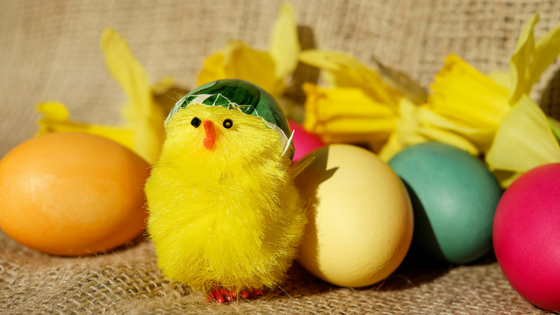
Easter is almost here and the isle of the supermarket seems to be more packed with Easter goodies than ever! But how do you avoid giving your kids chocolate overload this Easter?
Firstly, it’s a good idea to think quality not quantity! Easter is only one weekend and you don’t want excess chocolate hanging around for weeks. Let your child choose one special Easter egg.
It’s probably a good idea if you know family members will want to bring gifts for your children to suggest in advance what to buy. But do remember, Easter is not Christmas! They don’t need to get a present from every relative or friend.
Easter gifts don’t have to be about chocolate and chocolate eggs. There are many alternative Easter gifts for children. Here we have been and searched out our favourite alternative Easter gifts that children will love:
Hatchimals
 Hatchimals CollEGGtibles are tiny, adorable Hatchimals you can take with you wherever you go. This 2-Pack egg carton is the only way you can collect special edition Citrus Coast CollEGGtibles!
Warm each egg until the heart changes from purple to pink, then press down to hatch! Crack the shell all the way down to the wavy line, but save the bottom. Your adorable Hatchimal will have a cosy place to hang out!
Hatchimals CollEGGtibles are for kids aged 5+, price £4.99
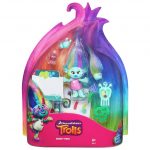 Inspired by the hit movie, each DreamWorks Trolls character has soft and colourful hair and a comb for wild styling. A few critter friends are included, too, for lots of fun and imaginative play. Additionally, each set comes with accessories definitive for each character.
Each doll comes with their signature accessories. Style each doll’s hair with fun, fuzzy flair materials and comb. Decorate with sticker sheet included in each set.
Troll 4-inch critter set is for aged 4+, price reduced from £10.99 to £2.99
Funky Face Egg Bouncy Balls
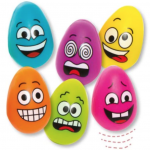
These crazy funny face balls can’t help bouncing all over the place! Egg-shaped bouncy balls, ideal for gifts for active kids this Easter
Ref:160823
Sometimes the best and most fun children’s toys are the simplest. These bouncy balls will provide hours of bouncy fun and burn off some of that sugar this Easter.
These Funky Face Bouncy Balls are for ages 3+ and are £2.45 for 6.
StikBot Pets
 These toys may look simple to the naked adult eye but these are award winning toys! They are perfect for any technology loving kid.
StikBots are a unique, poseable and collectable figurine! At a basic level, they are a fidget toy that is perfect for imaginative play. perfect for making your own stop-frame animation movies using the StikBot Animation App which is free to download for iPhone and Android operating systems.
Suitable for ages 4+, £4.99, click here to watch a video of these in action.
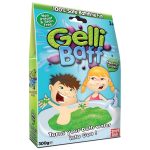 Turn bath time into fun time with Gelli Baff! Gelli Baff turns water into goo and then back again. Sprinkle the goo former over the water and watch in amazement as your boring bath water magically starts to turn into a fun, thick goo. Stir well, get in and have fun!
When the fun is all over, add the dissolver sachet and the goo will turn back into coloured water, easily drained away.
Completely safe: Gellibaff conforms to strict testing and safety regulations and doesn’t stain your towels, clothes, carpets or kids! 5+ £4.99
Tomy Hide and Squeak Eggs Activity Toy
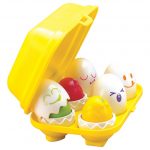
Crack them open to reveal the brightly coloured press-and-cheep chicks. It is also a shape sorting game matching egg bases to the right shaped hole in the box.
Hide ‘n’ squeak eggs are full of surprises for little hands to get to grips with!
Suitable from 6 months+, reduced to £8.99

It’s likely that if you have been attending a dental practice regularly then you will have had x-rays (also known as radiographs) taken. But do you know why the dentist takes x-rays?
X-rays are an essential part of any dental care treatment plan. They allow the dentist to see areas they otherwise would not be able to examine with the naked eye. Having x-rays taken at your dental health check allows your dentists to diagnose potential dental issues before they become a larger issue.
These are the main reasons your dentist takes x-rays:
There are two main types of x-rays we use at Smile Essential Dental Practice in Leicester. These are called Bitewings and Periapicals. Both of these types of x-rays deliver a relatively low dose of radiation.
Bitewing x-rays are called bitewings because you bite down on a wing-shaped device to hold the x-ray film in place. They are used to capture an image of both the upper and lower molar and premolar teeth.
Bitewings can reveal cavities in between the teeth and underneath previous dental work, an area that dentists can’t visually inspect. Often at this early stage of decay, there may only be mild symptoms such as sweet or cold sensitivity. However, if left untreated the decay would advance. By the time it is visible to the naked eye or causes noticeable discomfort, more extensive work such as a root canal may be required. “
Bitewings are also useful for helping to diagnose periodontal disease and monitoring the bone levels around the teeth. Your dentist will compare x-rays he has taken over the years to see if there have been any significant changes.
Periapical x-rays capture images of two or three teeth down to the root. They can reveal an abscess caused by an infection or root caries, which are lesions at the bottom of the tooth.
If you’re a new patient and are looking at getting brace treatment or have extensive dental work already then it’s likely you may need a full mouth series of x-rays, which may involve both bitewings and periapical x-rays of the teeth.
How often should you have dental X-rays?
This depends, children and adults that are at greater risk of tooth decay may require follow up x-rays 6 months later. If you are at low risk then the dentist will take more than likely just take two bitewing x-rays every 2-3 years.
Remember if you’re at all concerned about having x-rays taken then discuss this with your dentist. They are always happy to discuss and advise.
Ever wondered why the dental receptionist is so insistent on booking in your next dental appointment before you leave? It’s because they are vital to keeping your mouth healthy.
Regular dentist checkups or as we call them here at Smile Essential Dental Practice in Leicester – Dental Health Checks, are essential for spotting problems early.
If you leave without arranging your next dental appointment then you will often go over the advised interval your dentist has recommended an appointment. Sometimes 6 months turns into a year and before you know it your mouth will start to feel unhealthy.
At your check-up appointment, the dentist is looking at a lot more than just teeth! They will be carrying out a full oral health exam.
There are 10 points we review at your Dental Health Check:
1) Your awareness of the health of your mouth
2) The health of your teeth
3) The health, stability and appearance of any restorations (eg fillings, crowns)
4) The health of your gums
5) The health of the bones supporting your teeth
6) Plaque control and home care regime
7) The comfort and health of your bite (how teeth meet together)
8) Signs of tooth wear/grinding or clenching
9) The health of your jaw joint
10) Mouth cancer check
Often the dentist will also be keeping a close eye on any areas they are particularly concerned about and will want to regularly review it. This is one of the reasons it’s advisable to attend the same dental practice and not chop and change.
Attending regularly for you Dental Health Check is one of the best things you can do to prevent dental problems and avoid unnecessary dental treatment.
Once our checks are complete we also discuss our findings with our patients and help you to develop a personalised oral healthcare regime individually tailored to your needs.
Our goal is to help you keep your teeth and gums in the best possible condition.
Need to arrange your dental appointment at our Leicester based clinic? Give us a call on 0116 2891317

1. This one’s pretty obvious but it’s the most important thing you can do – brush your teeth! This is also a great time to either buy a new toothbrush or invest a decent electric one. Whilst giving your teeth a good brush don’t forget that tongue! Sometimes there are really smelly bacteria on there that can cause bad breath. One study found that by brushing the tongue, volunteers reduced their perception of bad breath by 70%!
2. Okay, this is sort of a gross suggestion but have you ever smelled your floss after flossing? If yes then you know what we mean! If no – try it! Bits of food can lay hidden between the teeth just rotting away if you haven’t been flossing.
3. A good old swish around with a mouthwash just before you leave to go on a date is a good idea. An antibacterial mouthwash will help to kill off any nasty bacteria and giving you a fresh minty zing.
4. Drink plenty of water to prevent your mouth from getting dry. A dry mouth can be a cause for bad breath and also unpleasant to kiss!
5. Steer clear of the onion and garlic. Some foods though can actually help your breath to stay fresh such as apples, mint, celery and parsley.
6. Chew gum. Chewing gum will help with bad breath because the chewing action results in more saliva being produced which in turn cleanses the mouth. Xylitol chewing gum such a Peppersmiths also help to strengthen teeth and come in lemon and mint varieties.
7. Quit smoking? smoking never smells good whether it’s on your clothes, hair or breath. Tobacco tends to dry out your mouth and can leave an unpleasant smell that lingers even after brushing your teeth.
Still, have bad breath? Then it’s worth scheduling an appointment with your dentist. Your teeth may require a simple hygiene appointment or sometimes causes could be medical related. Either way, your dentist can help.
Whether you’re a top flosser or are simply looking to maximise effectiveness when it comes to cleaning those gnashers, you’ll love our three quick switches to dramatically improve your cleaning routine.
Quick Switch One
Swap your manual toothbrush for an electric toothbrush. We love, use and recommend the Philips Sonicare.
When using a manual toothbrush it’s tempting to scrub the teeth in order to give them a really good clean or when you’re in a rush. This can lead to gum abrasion. People also tend to clean the same areas of the mouth with a manual toothbrush and as a result, tend to miss the same areas of the mouth over and over again.
Using an electric toothbrush is absolutely the most effective way of removing plaque and debris. The Philips Sonicare electric toothbrush was the first toothbrush on the market to harness the power of sonic technology and is still leading the way. It provides a deep clean for your teeth and even helps to make them whiter.
Quick Switch Two
If flossing is too fiddly or time-consuming for you then you might want to switch to interdental cleaning brushes such as Tepes.
These little brushes are extremely effective at removing soft plaque deposits and food debris from between the teeth. Most of our patients that try them love how quick and easy to use they are.
It’s important to use the right size. Tepe brushes should fit snuggly between the teeth but not so much that they get stuck or are difficult to pull out. Either your dentist or hygienist will happily advise on the right size for you and give you one to try at home for a few days.
Quick Switch Three
Don’t use a mouthwash after you have cleaned your teeth. Whilst it can seem like the perfect end to cleaning routine and a splish splosh around the mouth may be invigorating we advise you against it. Why? One of the main benefits of toothpaste is fluoride. Fluoride helps to strengthen the teeth and limit your risk of tooth decay. When you finish brushing your teeth the advice is to spit and not rinse the toothpaste out. This way the toothpaste can stay on the teeth and do its job.
And yes even if there’s fluoride in your mouthwash it will be a weaker strength than your toothpaste.
The best time to use a mouthwash is in between brushes probably sometime in the middle of the day.
Need a checkup? Check out our 10-point dental health check…

If your dentist/mother-in-law/friend (delete as necessary) has been getting on at you about your little one sucking their thumb it may just be for good reason.
Thumb sucking is a common habit that generally affects infants and children. It’s reported that up to 90% of children will dabble in thumb sucking at some point between the ages of 2 and 4 years old. Most children stop sucking their thumb by 2 and 1/2 years of age, and thumb-sucking is often considered okay until age 3.
Children suck their thumbs because it’s comforting and calming. They turn to their thumb when they’re tired, scared, bored, sick, or trying to adjust to challenges such as starting nursery or preschool.
Long-term effects of thumb sucking occur when a child’s thumb sucking continues when their adult teeth start to come through. This usually happens around the age of 5-6 years old. It would be wise to try and break this habit by then.
The 5 consequences of thumb sucking
1) Teeth being pushed around, which might cause an overbite or an underbite to form. This can affect the way the face looks and how the teeth meet together.
2) Germs from your thumb and surrounding areas affecting your body. Frequent hand washing and keeping the nails short will help to minimise this risk.
3) The roof of the mouth becoming altered or more sensitive.
4) A lisp being formed because constant thumb sucking can affect the jaw bone positioning.
5) Skin Problems. When exposed to the moisture and enzymes found in the mouth, the skin can become vulnerable. In some cases, the skin may crack or bleed especially around the nail. This can make your child’s hands vulnerable to infection.
When trying to break the habit of thumb or finger sucking it’s important to be extra gentle with your child. As thumb sucking is often a comforter you don’t want to stress your little one as this may result in even more thumb sucking.
Our tips are:
• Teach your child the reasons why they can’t continue to suck their thumbs. Explain to them the long-term effects of such a habit and what that might entail.
• Observe and try to eliminate triggers that cause them to thumb suck.
• When your child sucks their thumb, distract them with a toy or a song.
• Ensure you give plenty of praise and perhaps track your child’s progress using a reward chart.
• Get your dentist to help! They can offer you support, guidance and possibly some handy tips!
• Try a thumb sucking aid. We have had patients report success when using a thumbsucking aid such as a Thumbsie.
If you’re at all concerned about any aspect of your child’s dental health than seek advice from your dentist.

Absolutely great practice! The best I have attended. I was very apprehensive about visiting a dentist but they made the process so simple, and least intimidating as possible. Also, their receptionists make the best cups of tea… promise!
Miss E.R, Leicester.
Find out about our new patient service…

Brushing and flossing are more important than you might think. Of course, you’re probably aware to brush and floss for better dental health but are you aware that your mouth health can have a direct effect on your overall health?
Your mouth is the gateway to your body and often if you have a healthy mouth then you will have a healthy body. Your mouth is teeming with bacteria — most of them harmless. Usually, the body’s natural defences and good oral hygiene, such as daily brushing and flossing, help to keep these bacteria under control. However, without proper dental care, bacteria can reach high levels that might lead to tooth decay and gum disease.
Diabetes
Inflammation impairs the body’s ability to utilise insulin. By improving your oral hygiene and treating gum disease you can help to bring diabetes under better control.
Rheumatoid Arthritis
Treating periodontal disease has been shown to reduce pain caused by rheumatoid arthritis.
Heart Disease
Though the reasons are still not fully understood, it is clear that gum disease and heart disease often go hand in hand. Up to 91% of patients with heart disease also have periodontitis. It’s suspected that periodontitis has a direct role in raising the risk for heart disease. The theory is that inflammation in the mouth causes inflammation in the blood vessels.
Obesity
Two studies have linked obesity to gum disease. It appears that periodontitis progresses more quickly in the presence of higher body fat.
Pregnancy
Hormonal changes during pregnancy can increase a woman’s risk of gum related problems. Periodontitis has been linked to premature birth and low birth weight. Researchers are looking into the connection but it is believed that gum infection and inflammation, in general, seem to interfere with a fetus’ development in the womb.
Lung Conditions
Periodontal disease may make pneumonia and chronic obstructive pulmonary disease worse, possibly by increasing the number of bacteria in the lungs.
It’s important to understand that the body and mouth are not separate. Taking good care of your teeth and gums can really help you live well longer. To protect your oral health, practice good oral hygiene every day by doing the following:
• Brush your teeth at least twice a day with fluoride toothpaste
• Floss or use interdental brushes daily
• Eat a healthy balanced diet and limit snacks between meals
• Replace your toothbrush every three or sooner if needed
• Have regular dental health checks
• Avoid tobacco and excessive alcohol
Need to arrange a dental health check with us…

I’ve put off going to the dentist for more years than I care to admit. I researched so many dentists before finally deciding to register here. Out of everyone I spoke to they were the first to email me back and definitely the friendliest over the phone (Dawn).
On arriving The receptionist (Adele) was so friendly and just nice, I know people are probably more bothered about the dentist but for me I tend to judge a place by the first person I speak to.
My dentist Zsolt was new to the dentist surgery he was very nice and told me everything he was about to do without making me feel scared.
Can’t recommend this overall experience enough!
Mr J.J, Leicester.