Author Archives: Smile Essential

Teeth grinding explained..

bruxism

Teeth grinding is medically known as a condition called bruxism. The painful symptoms of severe teeth grinding and clenching include headaches, jaw pain and even tooth damage.

Bruxism affects more than six million people in the UK. But the severity of the symptoms and the frequency of grinding varies. Most cases of bruxism (80%) are mild and occur subconsciously during sleep.

But, when it’s frequent and severe, grinding your teeth can aggravate the joints in your lower jaw, also known as the temporomandibular joints, or TMJ. Bruxism is usually associated with contributing factors, such as stress or anxiety.

Signs you may suffer from bruxism:

• Pain or tenderness in the face, jaw joint area, neck and shoulders, and in or around the ear when you chew, speak or open your mouth wide
• Limited ability to open the mouth very wide
• Jaws that get “stuck” or “lock” in the open or closed position
• Clicking, popping or grating sounds in the jaw joint when opening or closing the mouth (which may or may not be accompanied by pain)
• A tired feeling in the face
• Difficulty chewing or a sudden uncomfortable bite, as if the upper and lower teeth are not fitting together properly
• Swelling on the side of the face.
• Other common symptoms of TMJ disorders include toothaches, headaches/migraines, neck aches, dizziness, earaches, hearing problems, upper shoulder pain and ringing in the ears (tinnitus).

Treatment for Bruxism include:

Mouth guards – can be effective in preventing wear and tear on the teeth caused by grinding but doesn’t stop you from grinding your teeth

Mouth splints – splints stop you from being able to lock your jaw together so they can stop you grinding and clenching.

Reducing stress – sometimes it’s difficult to make life less stressful. Cognitive behavioural therapy (CBT) may be beneficial in helping you to manage your problems by changing the way you think and how you act.

Lifestyle – make some simple lifestyle changes, if you smoke then give up and don’t smoke before bed, reduce your alcohol consumption and take time out to enjoy some rest and relaxation daily.

Learn more about treatment options by clicking here…

Dental Leicester

That dental feeling of clean just got better…

AirFlow tooth cleaning

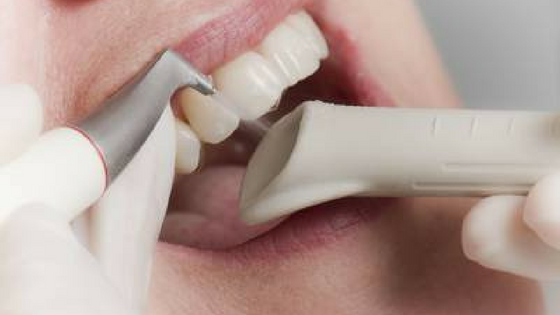
There have been many revolutions over the past decade but one of our absolute favourites has to be AirFlow tooth polishing. AirFlow polishing is an electrical machine that cleans and polishes the teeth with a mixture of water, compressed air and fine powder particles.

AirFlow polishing offers superior stain removal compared to traditional polishing methods. A powerful jet of water, air and fine powder polishes all the surfaces of a tooth, removing plaque, discolouration and soft deposits, it reaches into the difficult to clean interproximal (in-between) areas which tend to attract more plaque and staining.

The result of using the AirFlow polisher to remove excess staining helps teeth to looks shades whiter and ultimately make the whole mouth feel much healthier.

We combine traditional cleaning methods by removing the hard plaque deposits (calculus) with hand and ultrasonic scalers, then polish the teeth the traditional way with a brush and polish; finally, we finish with the AirFlow polisher. The AirFlow polisher and its microparticles help to lift any remaining plaque and staining for that deep down feeling of clean.

The advantages don’t stop there! The AirFlow polisher is extremely efficient in removing the biofilm that sits around the teeth and gums. The damaging biofilm develops when dental plaque is colonised by bacteria and can lead to gum disease. Breaking that biofilm is the finishing touch in our most advanced cleaning system.

If you love that dentist feeling of clean you really will love AirFlow tooth polishing. Click here to arrange your appointment today…

Dental Leicester

What a wonderful dentist…

Patients feedback on our Leicester Clinic

What a wonderful dentist! I dropped them an email and they called me back (I wasn’t brave enough to call!) I am so pleased I did as I was so impressed, the girls are lovely very helpful! The last dentist I went to was so awful that I hadn’t been for quite a few years. I felt a little embarrassed but I felt reassured as soon as the dentist started chatting to me. I’m pleased I have stopped ignoring my teeth I feel so much healthier and generally better.

I would unreservedly recommend this place!

Miss M.G, Leicester.

Find out what our other patients have said here…

Dental Leicester

7 myths about the dentist…

dental myths

It’s no surprise that scare stories and myths surround dentistry and if we’re honest dentists did get off to quite a gruesome start. From the days of the medieval barber-dentist to the more recent school dentist! It’s no wonder that people fear dentists like no other medical professional and the horror stories of yesteryear have created quite a few myths concerning a trip to your local dental practice.

Here are 7 of the most common myths:

Myth: The dentist will be appalled and shocked by the state of my mouth
Fact: We have nothing but sympathy and admiration for you overcoming your worry and visiting the dental practice. It’s our passion to restore you to dental fitness and give you a smile to be proud of.

Myth: Dental Injections are painful
Fact: We go to great lengths to ensure injections are as painless as possible. We apply a topical anaesthetic first of all to numb the area and our dentists are highly skilled in delivering anaesthetic as comfortably as possible. We also have the dental wand. The wand is a digital way of delivering anaesthetic which is pain-free.

Myth: Private dentistry is expensive
Fact: We believe our prices are reasonable and reflect the high level of service and dental care we provide. We offer a membership plan which most of our patients have joined and also interest-free finance for any extensive dental work.

Myth: The dentist doesn’t have time for me
Fact: We allow generous appointment times because it’s important that you don’t feel rushed and the dentist has time to chat with you. Our whole dental team is there to make your journey and time as pleasant as possible. On arrival, we will even make you a cup of tea – absolutely no rushing.

Myth: My teeth seem okay so I don’t need to visit the dentist
Fact: Regular dental health checks are extremely important. Dentistry nowadays is more about prevention than treatment. Seeing us regularly will result in less invasive dental work in the future.

Myth: I don’t need to see the dentist for gum problems
Fact: Gum problems such as bleeding when brushing could be a sign of gum disease. It’s surprising how many people see this as just ‘the norm’ for their mouth. Gum disease is caused by a build-up of dental plaque, it can be treated easily and reversed but it does require a visit to the dentist.

Myth: I only need to go the dentist if I have pain or a problem
Fact: Waiting until you have pain or a problem could result in more complex dental work and even tooth loss. Attending for regular dental health checks helps to catch problems early and in most cases prevent issues from arising in the first place.

At Smile Essential we pride ourselves on delivering dentistry with kindness and compassion. Not to boast but we have even won an award for customer service and have been dental phobia certified.

To find out more about your first visit and to arrange an appointment click here…

Dental Leicester

Polite and reassuring dental practice…

Dentist testimonial

In my limited experience with Smile Essential so far, all of the staff have been polite and reassuring. Whilst I cannot comment on the skill of their dentists due to my lack of knowledge, I can safely say that the people I interacted with were some of the most helpful I have ever had the pleasure of encountering in such a setting.

Mr J.M, Leicester.

Find out what to expect on your first dental visit…

Dental Leicester

The nicest dentists I have ever visited…


Dentists LeicesterThe nicest dentists I have ever visited. The building and equipment is all new and the staff are all lovely.
I saw Lina who explained every step of the process to me and was more than helpful for any questions I had. She went out of her way to help get my treatment done as soon as possible and always made me comfortable.

Mrs K.B, Leicester

Find out more about joining our friendly Leicester dental practice…

Dental Leicester

Ultimate tooth sensitivity guide…

sensitivity

Tooth sensitivity is a common complaint at our Leicester dental practice. According to the International Dental Journal, 57 percent of adults between the ages of 20 to 50 report having sensitive teeth. The good news is that with most tooth sensitivity it can be easily treated at home.

What causes sensitivity?
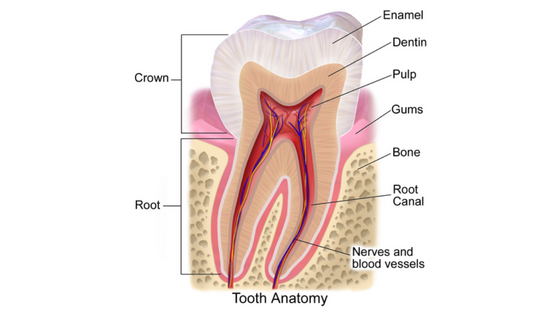
Tooth sensitivity is most often caused when the dentine of the tooth becomes exposed. The whitest part of the tooth we see has a layer of enamel that protects the softer dentine underneath. If the dentine is exposed, a tooth can become sensitive. This usually happens where the tooth and the gum meet and the enamel layer is much thinner. It is the microscopic dentinal tubules that transmit the temperatures of the drinks and foods that we consume straight to the nerve cells of the tooth. Suddenly, you can have teeth sensitive to hot or cold.

tooth sensitivity

The most common causes of dentine exposure:

Abrasion – Incorrect toothbrushing by scrubbing the teeth especially where the teeth meet the gums
Recession – Gums can recede with age – becoming long in the tooth! The roots of the teeth will become exposed and can become more sensitive
Erosion – frequently consuming highly acidic foods and beverages can erode the enamel leaving the dentine exposed
Gum disease – a build-up of plaque or tartar can cause gum recession and even destroy the bony support of the tooth. Difficult to clean pockets can form around the tooth making the problem worse
Cracked tooth or filling – a cracked tooth or filling can allow direct access down into the dentine
Bruxism – commonly referred to as tooth grinding. Bruxism can cause the enamel of the teeth to be worn away, making the teeth sensitive

How to fix it?
In order to fix tooth sensitivity, it’s important to understand what has caused it. We would always recommend a trip to the dentist to give you an accurate diagnosis, treatment advice and guidance in preventing further issues.

However, for most people suffering from general tooth sensitivity they can successfully manage their symptoms by using a desensitising toothpaste.

Sensitive toothpaste’s work by blocking the tiny dentinal tubules creating a barrier so they can’t transmit hot or cold sensations to the nerve area of the tooth.

When using a sensitive toothpaste it’s important to remember:

• Don’t rinse out after brushing with it. It has to stay on the teeth for a while in order to work.
• Allow some time before deciding if it is helping or not
• When you have found a toothpaste which works for you don’t switch to another. Not all sensitive toothpaste have the same ingredients.

Handy tip! If you have a particularly sensitive tooth try massaging the sensitive toothpaste into that area for a full minute. this can significantly reduce sensitivity.

If you’re concerned about your tooth sensitivity and would like to arrange an appointment get in touch with us by clicking here…

Dental Leicester